
What’s the difference between the morning after pill and abortion pills?
People often mistake the morning after pill for abortion pills, but the way they work is completely different. The simplest way to understand the difference between the two is this: the morning after pill helps prevent a pregnancy from happening, while abortion pills are used to end a pregnancy after it’s begun. Both relate to pregnancy, but they have entirely different roles, and you use them at different stages.
What is the morning after pill?
The morning after pill is emergency contraception that you can take after unprotected sex, or after something has gone wrong with your usual contraception, like if a condom has split or you’ve missed a contraceptive pill.
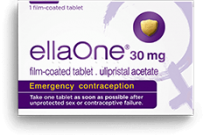
There are two main types of morning after pill. ellaOne contains an active ingredient called ulipristal acetate. You can take it up to 120 hours, or five days, after an episode of unprotected sex, but it works best the sooner after unprotected sex that you take it. The other type of day after pill contains an ingredient called levonorgestrel, and this should be taken within 3 days, or 72 hours, of having unprotected sex. Like ellaOne, it’s better to take it as soon as possible.
Both types of morning after pill work by delaying ovulation. This means they can stop or delay your body from releasing an egg, so there is no egg available for sperm to fertilise which helps to prevent pregnancy.
What are abortion pills?
Abortion pills are medications that you can use to end an existing pregnancy. This is sometimes called a medical abortion. These are usually only suitable within the first ten weeks of a pregnancy, after which you may need something called a surgical abortion to end your pregnancy.
Unlike the morning after pill, you don’t use abortion pills after sex to prevent pregnancy. They are only used when someone is already pregnant and has chosen to end that pregnancy.
The main differences at a glance
| Morning after pill | Abortion pills | |
| Purpose | Helps prevent pregnancy after unprotected sex or contraceptive failure. | Ends an existing pregnancy. |
| When it's used | Before pregnancy happens, after unprotected sex (within 3-5 days, depending on the type). | After you have a confirmed pregnancy. |
| How it works | By delaying or preventing ovulation, so an egg isn't released for fertilisation. | Usually uses two medicines to stop the pregnancy from developing and empty the uterus. |
| Does it cause an abortion? | No. | Yes. |
| Will it work if you're already pregnant? | No. The morning after pill isn’t effective if you're already pregnant. | Yes. These are designed to end an existing pregnancy. |
| Where can you get it? | High street pharmacies, sexual health clinics, GP surgeries, and regulated online pharmacies. | Through NHS abortion services and approved abortion care providers following a consultation. |
| How quickly should you take it? | As soon as possible after unprotected sex. You can take ellaOne within 120 hours (5 days) and levonorgestrel within 72 hours (3 days), but both work best when taken as early as possible. | After a positive pregnancy test, and within 10 weeks of pregnancy. The exact timing depends on how many weeks pregnant you are and will be discussed with your healthcare provider. |
| Can it protect against STIs? | No. | No. |
| What if you're unsure which you need? | Speak to a pharmacist or healthcare professional if you've recently had unprotected sex and want to prevent pregnancy. | If you've had a positive pregnancy test and are considering your options, speak to an abortion care provider or healthcare professional for advice and support. |
Does the morning after pill cause an abortion?
So, this is one of the biggest misconceptions about morning after pills. In short, no – emergency contraceptive pills do not cause abortions. The morning after pill works before pregnancy happens, by delaying ovulation so that fertilisation is less likely to happen. If no egg is released, sperm cannot fertilise it.
Can the morning after pill harm an existing pregnancy?
There is no evidence that taking the morning after pill will harm an existing pregnancy. So, it won’t end the pregnancy or make it less likely to continue. If you’ve taken the day after pill and find out later that you were already pregnant, or that it hasn’t worked, try not to panic. You can go and talk to a pharmacist, GP, sexual health clinic or abortion care provider for advice on what to do next.
How do I know which one I need?
This is pretty simple. If you’ve had unprotected sex in the last 5 days and want to reduce your risk of pregnancy, you can use the morning after pill. ellaOne can work for up to five days after unprotected sex, but works best the sooner you take it. So as soon as you know you need the morning after pill, you should arrange to get one.
However, if you’ve had a positive pregnancy test but don’t want to continue the pregnancy, you’ll need to speak to an abortion care provider to discuss whether you can use abortion pills. If you’re not sure of your options, you don’t have to face things alone. A pharmacist or other healthcare professional can help you understand your options without judgement.
Can you use abortion pills as emergency contraception?
Absolutely not – you shouldn’t use abortion pills instead of emergency contraception.
If you’ve recently had unprotected sex and want to prevent pregnancy, you can use emergency contraception, such as the morning after pill or the copper coil. If you’re already pregnant but don’t want to be, abortion pills may be an option. But you need to arrange this through an appropriate healthcare provider.
So, what’s the difference?
Although both medications are associated with pregnancies, they have entirely different functions and are designed to be used completely differently. Think of it like this: when it rains, you’d either use an umbrella to stay dry or a towel to dry yourself off after getting wet. They might be related to the same situation, but they serve different purposes.
If you’re still unsure whether you need the morning after pill or abortion pills, either learn all you need to know about ellaOne in our guide, or speak to your GP or trusted healthcare provider to discuss the options for your specific situation.
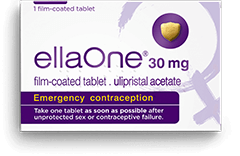

ellaOne® 30mg film-coated tablet contains ulipristal acetate and is indicated for emergency contraception within 120 hours (5 days) of unprotected sexual intercourse or contraceptive failure.
*Based on sales data. Verify at ellaone.co.uk/verify
Always read the instructions on the package leaflet carefully. Health information within this website is provided for educational purposes only and is not intended to replace discussions with healthcare professionals. All decisions regarding patient care must be made with a healthcare professional considering the unique characteristics of the patient.