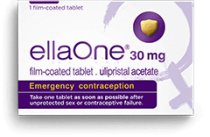
How does the Morning After Pill work?

If you’ve had unprotected sex or experienced contraceptive failure and aren’t trying to get pregnant, it’s normal to worry. Emergency contraception can help reduce the risk, but how does the morning after pill work? Read on to find out.
What is the morning after pill?
The morning after pill is a single tablet you can take to help prevent an unplanned pregnancy in the event of unprotected sex or contraceptive failure.
Types of morning after pill in the UK
There are two kinds of morning after pill available in the UK:
- Ulipristal acetate (such as ellaOne®)
- Levonorgestrel
Why choose ellaOne®?
ellaOne® is trusted by millions of women across the UK* and is 2.5x more effective than levonorgestrel when taken within 24 hours after unprotected sex
*Based on unit sales April 2015 – Dec 2023 and the average number of times 425 emergency contraceptive pill users aged 18–35 said they’d taken it in their life.
Verify at ellaone.co.uk/verify
How does ellaOne®work?
ellaOne® contains ulipristal acetate, which works by delaying or inhibiting ovulation. Sperm can live in the female reproductive system for up to five days, and ellaOne® can prevent ovulation for at least 5 days in 78.6% of cases, meaning that any sperm left should have died by the time ovulation occurs.
Why timing matters
Timing is so important. If you’ve already ovulated, the morning after pill won’t prevent pregnancy. It is really hard to determine exactly when you are ovulating as everyone’s menstrual cycle is different, and it can change from month to month depending on numerous factors such as altered sleep patterns, diet, and birth control.
Risk of pregnancy during your cycle
While pregnancy is less likely to occur during certain times in your menstrual cycle, such as your period, some people may have short cycles and can ovulate or be at risk of pregnancy while they are still menstruating. Please speak to your healthcare provider, like a doctor or pharmacist, if you have any concerns.
How emergency contraception prevents pregnancy
The morning after pill works by stopping the sperm and egg from meeting. It doesn’t cause an abortion and won’t affect an existing pregnancy.
Using ellaOne® safely
ellaOne® is for single use and won’t protect you from future pregnancies. When trying to avoid pregnancy, it is best to use a barrier method of contraception like condoms, or talk to a doctor about ongoing long-term contraception.
Long-term fertility and repeated use
There is no evidence that ellaOne® affects long-term fertility. If you have unprotected sex again, you can take ellaOne® more than once (even in the same cycle, if you have not already ovulated) but remember: ellaOne is intended for emergency use only and should not be used in place of a regular contraceptive.
What type of emergency contraception is right for me?
ellaOne®
ellaOne® is the UK’s no. 1 emergency contraceptive pill**. Take it as soon as possible after unprotected sex, when taken within 24 hours it reduces the risk of pregnancy to 9 in 1000. It can still be effective up to five days later, making it a reliable option if your regular contraception fails, such as a broken condom or missed birth control pill.
Levonorgestrel
Take levonorgestrel within three days (72 hours) of unprotected sex or contraceptive failure to help prevent pregnancy. When taken within 24 hours of unprotected sex, it lowers the risk of pregnancy to 23 in 1,000.
The IUD (coil) option
The IUD is another type of emergency contraception which also works as a long-acting reversible contraceptive (LARC). This T-shaped device, made of plastic and copper, is inserted into the womb by a nurse or doctor. It releases copper in the cervical mucus, which stops sperm from reaching an egg. When fitted correctly, the IUD is 99% effective and can remain in place for up to ten years depending on the type.
Did you know that ellaOne has a handy comparison table where you can compare different types of emergency contraception? If you need more guidance on how to choose emergency contraception, you should consult a healthcare professional, who will be able to help you.
What should I expect after taking ellaOne®?
Possible side effects
ellaOne is generally well-tolerated, but some people may experience mild side effects such as feeling sick, stomach pain, headache, changes in mood and breast tenderness. If you have any concerns about side effects, we recommend you speak to your healthcare provider who will be able to advise you.
If you’d like to find out more about potential side effects from taking the morning after pill, read this article.
Medications preventing effectiveness
Some medications, such as liver enzyme-inducing medications, St Johns Wart, barbiturates and some HIV medicines, can also impact the effectiveness of ellaOne and levonorgestrel. Please tell your healthcare provider about any medications you are taking so they can help you make an informed decision.
Changes to your period
The morning after pill levonorgestrel can sometimes delay your period by up to five days and ellaOne may delay your period by up to seven days. If your period is later than 5 days if you have taken levonorgestrel, or if it is later than 7 days if you have taken ellaOne, or if you have any concerns about pregnancy, it is recommended that you speak to a healthcare provider like a doctor or pharmacist.
How to know if it worked
We understand that you may be anxious to know if the morning after pill has worked, but unfortunately, the only way to know is to wait for your period. If you think you might be pregnant, we recommend that you take a pregnancy test 21 days after unprotected sex.
Next steps
We know that there is a lot riding on one little morning after pill, but we hope this article has helped to put your mind at ease and given you the information to make an informed decision. Want to buy ellaOne? Read about your options here. Did you know you can also buy the morning after pill online?
Deborah Evans in the YouTube video does not endorse any pharmaceutical brands or products.
*Verify: https://www.ellaone.co.uk/verify/
**Based on sales data
ellaOne® 30mg film-coated tablet contains ulipristal acetate and is indicated for emergency contraception within 120 hours (5 days) of unprotected sex or contraceptive failure. Always read the label.
References:
https://www.ema.europa.eu/en/medicines/human/EPAR/ellaone
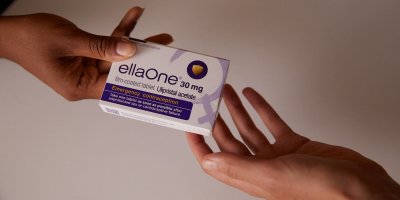


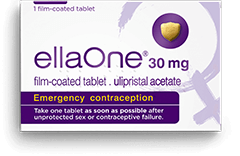

ellaOne® 30mg film-coated tablet contains ulipristal acetate and is indicated for emergency contraception within 120 hours (5 days) of unprotected sexual intercourse or contraceptive failure.
*Based on sales data. Verify at ellaone.co.uk/verify
Always read the instructions on the package leaflet carefully. Health information within this website is provided for educational purposes only and is not intended to replace discussions with healthcare professionals. All decisions regarding patient care must be made with a healthcare professional considering the unique characteristics of the patient.