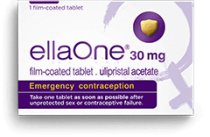
How often can you take the morning after pill?

Around 25% of people surveyed by ellaOne®* believe taking the morning after pill multiple times causes infertility.
This is not true, but it’s a misconception that can make people less likely to take emergency contraception in order to help prevent pregnancy after unprotected sex or a contraceptive failure. You can use the morning after pill more than once, including even in the same cycle.
So, let’s look at the facts about using the morning after pill multiple times.
How often can you take the morning after pill?
You should only use ellaOne® in an emergency, not as a regular contraception.
However, if you do have unprotected sex or experience contraceptive failure twice in the same cycle, you have unprotected sex or your contraceptive fails twice in the same cycle, speak to a doctor or pharmacist about whether ellaOne® is right for you.
Is there an alternative to the morning after pill?
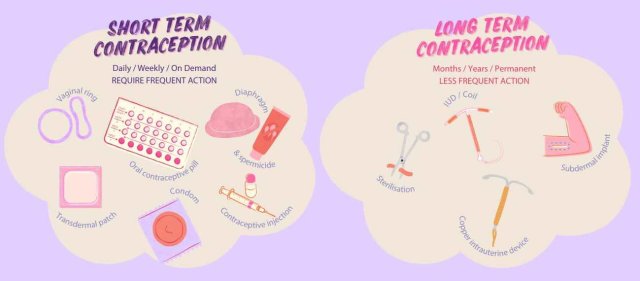
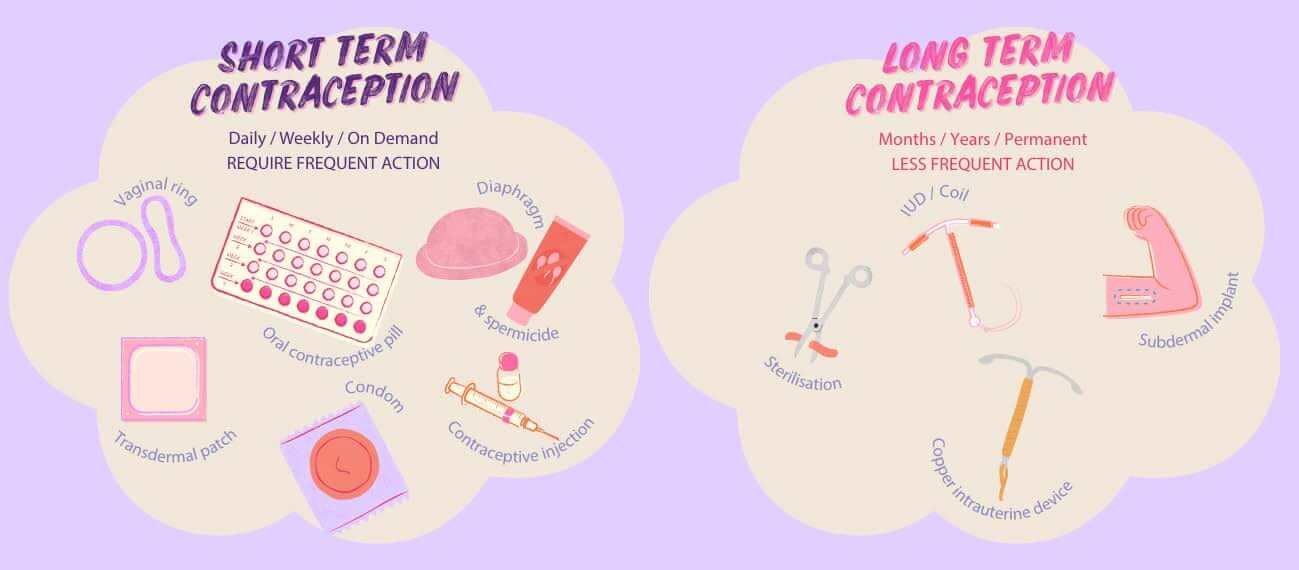
An alternative to taking the morning after pill is to have an IUD fitted. The IUD (also known as the copper coil) is a long term non-hormonal contraceptive which also works as emergency contraception. You have it fitted up to five days after unprotected sex or a contraceptive failure and is highly effective at preventing pregnancy. It also offers ongoing protection once in place.
How long does the morning after pill last?
The morning-after pill only works for one instance of unprotected sex or contraceptive failure. It can’t protect you from future sexual encounters, so you will still need your usual contraception going forward.
If you’re feeling concerned about your fertility, it may help to know there’s no evidence that using the morning after pill affects your chances of getting pregnant later. You could become pregnant again as soon as the next time you ovulate after taking it.
Can you take the morning after pill multiple times?
You can take the morning after pill more than once, even within the same cycle.
ellaOne® is generally well tolerated, but repeated use of the morning after pill should never replace regular contraception. Each dose delays ovulation and only protects against that one incident. If you find that you are relying on frequent uses of emergency contraception, talk to a doctor or pharmacist about a more reliable everyday method.
Does emergency contraception protect against STIs?
Emergency contraception does not protect you against sexual transmitted infections (STIs), so if you have had unprotected sex, you should visit your local sexual health clinic or GP for a check-up. It’s a good idea to get checked for STIs regularly if you’re sexually active.
How long after unprotected sex can you take ellaOne?
Any morning after pill is most effective the sooner you take it, following unprotected sex.
- ellaOne®: up to 120 hours (five days) after unprotected sex or
contraceptive failure
- Levonorgestrel: up to 72 hours (three days)
Both work by delaying or preventing ovulation. They will not terminate an existing pregnancy.
Don’t forget – if you can’t make it to a pharmacy, you can get ellaOne delivered directly to your door. Find out more about ellaOne Direct here.
Is there any reason you should not take the morning after pill multiple times?
If you have taken emergency hormonal contraception before and experienced bad side effects or an allergic reaction you should speak to your pharmacist or a healthcare professional about whether there’s a better option for you.
A few people may not be able to take the morning after pill at all. For instance those who suffer from very severe asthma or those taking certain medications. It is always important to inform whoever is providing you with emergency contraception of any health conditions or medications you are taking, so they can be sure to provide you with what will be suitable for you.
Taking emergency contraception is a responsible choice
No method of contraception is 100% reliable. Accidents can happen often through no fault of your own. Sometimes condoms can break, even when they’re used correctly. The most organised person in the world could forget their contraceptive pill. It’s what you do next that counts.
There are many reasons someone might seek emergency contraception but there is not a single reason they should be judged for this.
Taking the morning after pill following unprotected sex or contraceptive failure is an informed, responsible decision and we want to make sure you have all the information and resources that will help you make the choice that is right for you.
Have more questions about ellaOne? Why not take a look at this article: All you need to know about ellaOne
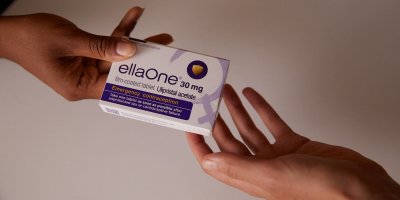
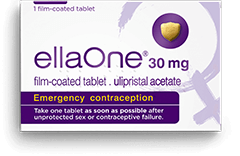
ellaOne® 30mg film-coated tablet contains ulipristal acetate and is indicated for emergency contraception within 120 hours (5 days) of unprotected sexual intercourse or contraceptive failure.
*Statistic is from ellaOne’s Fact Not Fiction survey of 1027 18-35 year olds
** verify at www.ellaOne.co.uk/verify
References:
1) https://www.nhs.uk/contraception/emergency-contraception/




ellaOne® 30mg film-coated tablet contains ulipristal acetate and is indicated for emergency contraception within 120 hours (5 days) of unprotected sexual intercourse or contraceptive failure.
*Based on sales data. Verify at ellaone.co.uk/verify
Always read the instructions on the package leaflet carefully. Health information within this website is provided for educational purposes only and is not intended to replace discussions with healthcare professionals. All decisions regarding patient care must be made with a healthcare professional considering the unique characteristics of the patient.