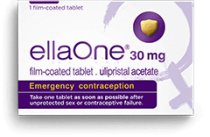
Ask Ella: What does bleeding after the morning after pill mean?


Bleeding after the morning after pill can be alarming. It can make you question whether the pill has worked or whether the bleeding is related to early pregnancy. This could be a side effect of taking ellaOne®. Read on to understand what typical post-pill spotting looks like, how it relates to the pill’s effects, and when it could mean you’re pregnant.
Spotting, implantation or period? What’s the difference?
If you’re bleeding after taking the morning after pill, you’ll want to know why it happens. There are three main types of bleeding, and the characteristics (colour, timing, and flow) help determine which it might be. Here is what each type of bleeding means:
Side effect spotting (temporary hormone shift)
Spotting could be from post-pill bleeding. It happens when the high dose of hormones in ellaOne® temporarily upset the womb lining. It is not a sign of pregnancy.
Implantation bleeding (potential pregnancy)
Implantation bleeding occurs when a fertilized egg attaches to the womb lining, marking the beginning of a pregnancy.
Implantation bleeding happens around 6-12 days after conception.
Your expected period (not pregnancy related)
This is your actual period, which might show up early, late, or a bit lighter than usual because of the pill. It’s usually the heaviest flow and the clearest sign that you’re not pregnant.
Implantation bleeding vs. period: key signs, timing, and duration
Implantation bleeding is usually much lighter than a period and tends to look like small spots or light streaks of blood. Since it can happen around the time when your period is due, make sure you check the flow and colour to see whether:
- The bleeding is linked to early pregnancy or
- Your normal period
What implantation bleeding feels like
Many women report no pain, but some experience very mild, period-like cramping or twinges that are much lighter than a normal period.
Side effect bleeding: why ellaOne® causes spotting
Irregular or unusual bleeding could be a side effect of ellaOne®. ellaOne® contains ulipristal acetate, which temporarily shifts your hormones to delay ovulation, which can cause the womb lining to react differently.
What side effect spotting looks like
Side effect spotting can be a bit unpredictable, but understanding common characteristics helps you differentiate it from other types of bleeding. Here’s what you could look for:
| Feature | Side effect spotting |
|---|---|
| Colour | Highly variable, from dark brown to light red |
| Flow | Much lighter than a period, often just a streak or two in your underwear or when wiping |
| Timing | Can happen at any time between taking the pill and your next expected period, typically resolving by the time your next period arrives |
Next steps: when to take a pregnancy test and when to see a doctor
Whether bleeding after the morning after pill is spotting, a side effect, or potential implantation bleeding, the only way to be sure about pregnancy is by taking a test.
When to take a test
You should take a pregnancy test if your next period is more than seven days late, or if you’re unsure and concerned about the bleeding 21 days after having unprotected sex.
When to contact a healthcare professional
Speak to your doctor immediately if you experience heavy bleeding, severe abdominal pain (especially on one side), or if the bleeding lasts for more than a few days, as this can be a sign of a potential complication, such as an ectopic pregnancy.
Summary: How to understand bleeding after the morning after pill
Bleeding after the morning after pill is usually caused by hormonal changes and short-lived, not pregnancy. It isn’t a reliable indicator. The best approach is to wait for your next period and take a pregnancy test if it’s over a week late or been 21 days after unprotected sex. Contact a doctor if the bleeding is heavy, lasts several days, or comes with severe pain.
Your questions about bleeding after the morning after pill
- Can ellaOne® cause a fake period?
ellaOne® can cause bleeding or spotting that resembles a light period, but it’s not your actual period. Just a temporary hormonal shift. Your actual period should arrive on time, but it may be slightly delayed.
2. If I have implantation bleeding, does that mean the morning after pill didn’t work?
Implantation bleeding is a sign that conception has occurred, meaning the emergency contraceptive pill couldn’t prevent pregnancy. However, it can be difficult to distinguish from spotting, which can occur even when the morning after pill has worked. This is why you must take a pregnancy test if your period is late.
3. How long after taking ellaOne® can I expect spotting?
Spotting can occur anytime between taking the pill and your next period, usually it is short lived. If it continues until your expected period or becomes heavier, it’s a good idea to speak to your GP or a pharmacist.
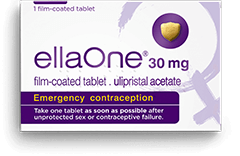

ellaOne® 30mg film-coated tablet contains ulipristal acetate and is indicated for emergency contraception within 120 hours (5 days) of unprotected sexual intercourse or contraceptive failure.
*Based on sales data. Verify at ellaone.co.uk/verify
Always read the instructions on the package leaflet carefully. Health information within this website is provided for educational purposes only and is not intended to replace discussions with healthcare professionals. All decisions regarding patient care must be made with a healthcare professional considering the unique characteristics of the patient.