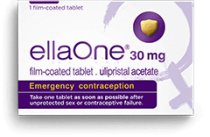

Why the morning after pill won’t work if you’re already pregnant
Worried the morning after pill won’t work because you're already pregnant?
The morning after pill only helps prevent pregnancy, it doesn’t end it. If you’re pregnant, abortion methods are available in the UK. Medical abortion pills can be prescribed by a doctor for up to 10 weeks of pregnancy. For those in later stages of pregnancy, surgical abortions may be more suitable. Abortion is legal, often free, and confidential, even for those under 16. Get support and expert care through your GP, sexual health clinic, or a licensed provider.
Finding out you’re unexpectedly pregnant can bring up a lot of emotions, and it’s totally normal to be unsure what to do next. Learning about abortion methods, including pills and surgical options, can help you make a better decision about what’s right for you.
What is the morning after pill and why won’t it work if you’re already pregnant?
The morning after pill is an emergency contraception that helps prevent pregnancy after unprotected sex or contraceptive failure. It works by delaying ovulation, so no egg is released and fertilisation can’t occur.
However, if you’re already pregnant, the pill won’t work. It’s designed to help prevent pregnancy before it begins and doesn’t affect a fertilised egg that’s already implanted in the womb.
If you’ve taken a test and found out you’re pregnant, don’t worry, you still have options. Abortion methods are available, and you don’t have to face this alone.
How does an abortion work? A breakdown of abortion methods
There are two main abortion methods1: medical and surgical. Here’s what you can expect with each:
Medical abortion
Medical abortion is usually available if you’re under 10 weeks pregnant. You can have it done at a clinic or sometimes at home, depending on what’s most comfortable for you. The process involves taking two medicines prescribed by a healthcare professional.
A few hours after completing the course of medicines, your body is likely to pass the pregnancy naturally. Sometimes it may take more than one dose to complete the process, but your doctor or nurse will be there to support you. Remember to only use these medicines under medical supervision, so avoid buying abortion pills online.
Surgical abortion
If you’re further along or prefer a procedure, surgery is another option. It’s usually done after 10 weeks but can sometimes happen earlier. There are two types:
– Vacuum aspiration uses gentle suction to remove the pregnancy and usually takes about 5 to 10 minutes. This is typically done between 7 and 14 weeks
– Dilation and evacuation uses forceps to terminate the pregnancy, usually from 15 weeks onwards, and takes around 10 to 20 minutes



When can you get an abortion and how late is too late?
In the UK, you can generally have an abortion up to 24 weeks. After that, doctors only perform them in very limited cases, for instance, if the mother’s life is at risk or the foetus has a severe abnormality.
Recent legal changes (June 2025)2 removed criminal penalties for women ending their own pregnancies, even in late stages, shifting the focus from punishment to care and support. However, medical approval is still required for all abortions.
Most abortions take place before 10 weeks still, as earlier procedures are typically simpler and involve fewer risks. If you’re considering one, get advice early so you can access the care that’s right for you.
Is abortion legal in the UK? Knowing your rights
Yes, abortion is legal in the UK under the Abortion Act 19673 (in England, Scotland, and Wales) and the Human Fertilisation and Embryology Act. You have the right to access safe, legal abortion if you meet the criteria set out by the law.
Is abortion free?
Abortion is free on the NHS, and there are also licensed private providers who offer these services.
Remember, you don’t need to give a reason for your abortion. Healthcare professionals are there to support your decision without judgment.
How to get an abortion: Your options and next steps
If you’re considering an abortion, your first step is usually to:
– Contact your GP
– A sexual health clinic
– A licensed abortion provider
They’ll confirm your pregnancy, explain your options, and help arrange the safest, most suitable care. Depending on how far along you are and what feels right for you, you’ll have a medical or surgical procedure.
Summary
If you find yourself pregnant, remember there are abortion methods available to help you take control of your reproductive health. Understanding your choices and accessing the right care can make a big difference. Always seek advice from qualified healthcare professionals who respect your decisions and offer their full support.
FAQ
1. Can I have an abortion if I’m under 16?
Yes, you can. In the UK, anyone under 16 can access abortion services4 confidentially. Healthcare professionals will assess your ability to understand the procedure and provide the right support.
2. Can I still get pregnant after multiple abortions?
Yes. Most people conceive normally after having several abortions. Repeated abortions do not generally affect fertility, but if you have concerns, it’s best to discuss them with your doctor.
3. Can I get an abortion if I’m not a UK resident?
Yes, abortion is available in the UK, but non-residents will need to pay for private care, as NHS services are typically free only for UK residents.
References
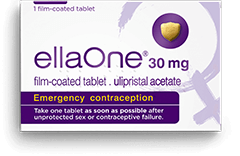

ellaOne® 30mg film-coated tablet contains ulipristal acetate and is indicated for emergency contraception within 120 hours (5 days) of unprotected sexual intercourse or contraceptive failure.
*Based on sales data. Verify at ellaone.co.uk/verify
Always read the instructions on the package leaflet carefully. Health information within this website is provided for educational purposes only and is not intended to replace discussions with healthcare professionals. All decisions regarding patient care must be made with a healthcare professional considering the unique characteristics of the patient.