Can the morning after pill fail?

If you’ve taken the morning after pill and are now anxiously wondering whether it has worked, you’re not alone. Waiting for your next period can feel incredibly stressful, and it’s completely normal to look for reassurance or signs that everything is okay.
The short answer is yes, the morning after pill can sometimes fail. No form of emergency contraception works 100% of the time. But, it is very effective at reducing your risk of pregnancy, especially when you take it as soon as possible after unprotected sex.
How effective is the morning after pill?
The morning after pill can be highly effective when taken before you ovulate. No emergency contraception is 100% effective, though. Research suggests that around 1 to 2 women in every 100 who take an emergency contraceptive pill will get pregnant.
Ulipristal acetate
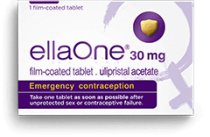
ellaOne is an emergency contraceptive pill containing ulipristal acetate. ellaOne can be taken up to 120 hours (5 days) after unprotected sex. Clinical trials showed that with people taking ellaOne, there were:
- 9 pregnancies per 1,000 people when taken within 24 hours
- 14 pregnancies per 1,000 people when taken within 72 hours
Levonorgestrel
Levonorgestrel should usually be taken within 72 hours (3 days) of unprotected sex, but it’s most effective when taken within the first 24 hours. Studies show that when taken within the first 24 hours, there were 23 pregnancies per 1,000 people.
With either form of emergency contraceptive pill, the longer you wait, the less effective it may become, so it’s always best to take it as soon as possible. Just because ellaOne can be effective for up to 5 days, it doesn’t mean you should wait until day 4 or 5.
So, can emergency contraceptive pills fail?
As we said earlier, yes, it can. But try not to panic if you’re reading this while worrying you may get pregnant.
Taking the morning after pill significantly reduces your risk of pregnancy. Most people who take it do not become pregnant, especially if they take it quickly after having unprotected sex.
Reasons the morning after pill may fail
If you follow the recommended advice given by your pharmacist or GP, you’ve got the best chance at the emergency contraceptive pill being effective, but there are a number of reasons the morning after pill might not work.
Taking it too late
The day after pill works by delaying or preventing ovulation. If you’ve already ovulated, the pill will not be able to prevent a pregnancy. As most people don’t know exactly when they ovulate, taking it as soon as possible after unprotected sex gives you the best chance of it working.
Being sick after taking it
If you vomit within 3 hours of taking your pill, your body may not have had the time to absorb it properly. If this happens, reach out to a pharmacist or GP, as it is recommended you take another dose.
Having unprotected sex again after taking it
The morning after pill is a one-time medication. Unlike the copper coil, it only works for that one incident of unprotected sex. So, if you have unprotected sex again after you take it, you could still get pregnant.
Certain medicines
Some medications can make emergency contraception less effective, including:
- The herbal medicine St. John’s Wort
- Certain medicines used to treat epilepsy
- Medicines like omeprazole, which is an antacid
- Some medicines used to treat HIV
- Rifampicin antibiotics
- Certain medications for treating tuberculosis (TB)
This is why the consultation before you access the morning after pill is so important. You’ll have the opportunity to discuss your medical history with a medical professional, and they can provide the most appropriate advice for you.
Weight and BMI
Your weight and BMI can sometimes impact the effectiveness of the morning after pill, particularly levonorgestrel. If your weight is higher than 70kg or you have a BMI of 26 or more, you should speak to a healthcare professional as you may need to take a double dose of levonorgestrel for it to be effective. In this case, the copper IUD may be the more effective option for you.
Ulipristal acetate may be less effective in women with a BMI over 30 or weight greater than 85 kilograms.
How do you know if the morning after pill worked?
This is the part most people really want an answer to, as soon as possible, but unfortunately, there isn’t an immediate sign to tell you whether it worked.
Most people won’t feel any different after taking the emergency contraception pill, and their period will arrive at roughly the same time as usual.
The most important thing to pay attention to is your next period.
Signs the morning after pill has worked
Usually, the main sign it has worked is simply that you don’t become pregnant. This probably isn’t what you want to hear, but it’s often the only way to tell.
You may notice:
- Your next period arrives on time
- Your period is slightly earlier or later than usual
- Your period is slightly lighter or heavier than normal
Signs the morning after pill may not have worked
Some possible pregnancy signs after taking emergency contraception include:
- Missing your period
- Your period being more than a week late after taking ellaOne or more than 5 days late after taking levonorgestrel
- Very light bleeding
- Nausea
- Breast tenderness
- Feeling unusually tired
But frustratingly, the morning after pill can actually cause some of the same symptoms. That’s why the only way to reliably tell if it’s worked or not is to take a pregnancy test.
When should you take a pregnancy test?
If your period is more than 7 days late or if something about it feels off, it’s a good idea to take a pregnancy test.
You should also consider taking a test if:
You’re having pregnancy symptoms
Your period is much lighter than normal
You’re worried the pill didn’t work
Most tests nowadays are accurate from the first day of a missed period.
What should you do if the morning after pill fails?
If you do become pregnant after taking emergency contraception, you still have options and support available to you.
You can speak to:
- A local pharmacist
- Your GP
- Someone at a sexual health clinic
They can talk you through your next steps without judgement.
Remember, an emergency contraception failing doesn’t mean you did anything wrong. No method outside of abstinence is completely guaranteed to prevent pregnancy.
Is there a more effective form of emergency contraception?
The copper intrauterine device (IUD), also known as the copper coil, is actually the most effective form of emergency contraception available.
You can usually have it fitted up to 5 days after unprotected sex, plus it works as a continued long-term contraception too. For some people, this could be a better option, especially if they’ve already ovulated. The morning after pills aren’t effective if ovulation has already happened.
Plan your next steps today
Although the morning after pill can fail, it’s still a very effective form of emergency contraception and most people who take it quickly and correctly do not become pregnant. Nothing is more effective than ellaOne*, which you can buy online or ask for by name at your local pharmacy.
After taking it, just keep an eye on your next period, take a test if needed, and reach out for support if you’re unsure.
*Verify at https://www.ellaone.co.uk/verify/
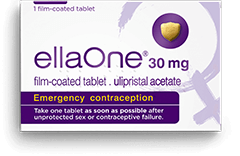

ellaOne® 30mg film-coated tablet contains ulipristal acetate and is indicated for emergency contraception within 120 hours (5 days) of unprotected sexual intercourse or contraceptive failure.
*Based on sales data. Verify at ellaone.co.uk/verify
Always read the instructions on the package leaflet carefully. Health information within this website is provided for educational purposes only and is not intended to replace discussions with healthcare professionals. All decisions regarding patient care must be made with a healthcare professional considering the unique characteristics of the patient.