How do you know if a condom breaks?


A condom breaking can be worrying, but it’s important to know that it doesn’t always mean pregnancy will happen or you’ll contract an STI.
If you think the condom may have failed, try not to panic. There are steps you can take to reduce the risk of pregnancy and protect your sexual health.
What does a ripped condom feel like?
Not everyone notices a condom breaking while it’s happening.
Some people describe feeling:
- A sudden change in sensation
- Less resistance or tightness
- A “popping” sensation
- The condom slipping or bunching up
Others don’t notice anything unusual at all and only realise afterwards when they remove the condom.
If you’re unsure whether it broke, the safest thing to do is to check it carefully after sex.
How can you tell if a condom is broken?
After finishing sex, carefully remove the condom while holding the open end, to help stop any semen from spilling out.
Check for:
- Tears or splits
- Holes in the latex
- Semen leaking from anywhere other than the open end
- Damage around the tip or sides
One quick and simple way to check is to take the used condom to the bathroom and gently fill it with water from the tap. If water leaks out through a hole anywhere along the condom, it’s been damaged.
What should you do if a condom breaks?
If a condom breaks, try not to panic. Acting quickly gives you the most options.
You should:
- Stop having sex if you notice the condom has broken
- Take off the damaged condom
- Consider getting emergency contraception if you would like to reduce the risk of pregnancy
- Arrange an STI test if there is any possibility of exposure to a sexually transmitted infection. If there may have been exposure to HIV, seek urgent medical advice as post-exposure prophylaxis (PEP) is most effective when started as soon as possible, and generally within 72 hours
- Avoid vaginal douching or washing inside the vagina, as this won’t reduce the risk of pregnancy and may increase the risk of infection
The sooner you get advice, the better.
Can you get pregnant if a condom breaks?
Yes, you can. If any semen enters the vagina after the condom breaks, pregnancy is possible. It only takes one successful sperm to fertilise an egg.
The risk depends on several factors, including:
- where you are in your menstrual cycle
- whether ejaculation happened (although precum can sometimes contain sperm)
- and how quickly you use emergency contraception
If you’re worried about pregnancy, don’t wait to see what happens. Emergency contraception is most effective the sooner after unprotected sex that you take it.
If your next period is more than 7 days late, is unusually light or heavy, or you have symptoms that could suggest pregnancy, take a pregnancy test. Most tests are accurate from the first day of a missed period.
What about STIs?
You may need an STI test if a condom breaks during sex.
It’s a good idea to arrange an STI test if it broke with:
- a new sexual partner,
- someone whose STI status you don’t know,
- or someone who may be at increased risk of an STI
Many sexually transmitted infections don’t cause symptoms straight away, so testing is the only way to know for certain. You usually have to wait at least two weeks after unprotected sex for the most accurate results. The appropriate timing for STI testing depends on the infection being tested for. A healthcare professional or sexual health clinic can advise when testing will be most accurate. If you’re worried about STIs, it’s best to speak to a healthcare professional who can give you accurate guidance for your specific situation.
Should I take emergency contraception if the condom breaks?
If the condom broke during vaginal sex and you want to reduce the risk of pregnancy, you may want to consider emergency contraception and seek advice from a pharmacist or healthcare professional.
The right option depends on how long it has been since unprotected sex and your individual circumstances.
Emergency contraception includes:
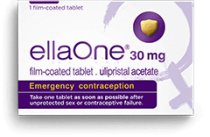
- ellaOne® (which uses the active ingredient ulipristal acetate): You can take this up to 120 hours (5 days) after unprotected sex (but it’s more effective the sooner you take it), and it’s the most effective emergency contraceptive pill available in the UK.
- Levonorgestrel emergency contraception: You can take this within 72 hours (3 days) of unprotected sex, and again, it’s most effective the sooner you take it.
- The copper coil (IUD): A healthcare professional can fit this within 5 days of unprotected sex, and it’s the most effective form of emergency contraception overall.
Emergency contraception pills work by delaying or preventing ovulation, so it’s most effective when taken as soon as possible.
Why might a condom break?
There are several reasons why condoms may tear or split. If used correctly, they shouldn’t break. Condom manufacturers usually subject their products to testing before selling them to avoid this happening. Many times, if a condom breaks, it’s due to “user error”.
Common causes include:
- Damage from jewellery or long fingernails
- Friction during longer or rougher sex
- Not leaving space at the tip
- Not using enough lubrication
- Opening the packet with sharp objects or teeth
- Reusing a condom
- Storing condoms somewhere warm, like in your wallet or in your car, for long periods
- Trapped air inside the condom
- Using an expired condom
- Using oil-based lubricants with latex condoms
- Using the wrong size condom
Using condoms correctly helps reduce the risk of one breaking.
Can you prevent condoms from breaking?
There’s always a small risk of condoms breaking, but there are steps you can take to reduce that risk.
Try to make sure that you always:
- Check the expiry date before use
- Make sure the packet isn’t damaged in any way
- Open the wrapper carefully
- Use the correct size condom
- Pinch the tip before rolling it on
- Use water-based or silicone-based lubricant if you need extra lubrication
- Use a new condom every time you have sex – never reuse condoms!
- Store condoms properly, in a cool, dry place
Condoms can be up to 98% effective at preventing pregnancy when you use them correctly. These small steps can help condoms work as effectively as possible.
The condom broke, now what?
Discovering that a condom has broken during sex can be stressful, but you still have options.
The big thing is acting fast. If there’s a chance of pregnancy, look into getting emergency contraception as soon as you can. It works best when taken as soon as possible after unprotected sex.
Most importantly, try not to panic. A broken condom doesn’t automatically mean pregnancy or infection, and taking steps quickly can help you protect yourself.
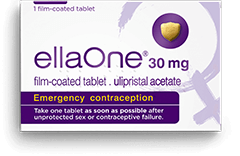

ellaOne® 30mg film-coated tablet contains ulipristal acetate and is indicated for emergency contraception within 120 hours (5 days) of unprotected sexual intercourse or contraceptive failure.
*Based on sales data. Verify at ellaone.co.uk/verify
Always read the instructions on the package leaflet carefully. Health information within this website is provided for educational purposes only and is not intended to replace discussions with healthcare professionals. All decisions regarding patient care must be made with a healthcare professional considering the unique characteristics of the patient.