How does the day after pill work
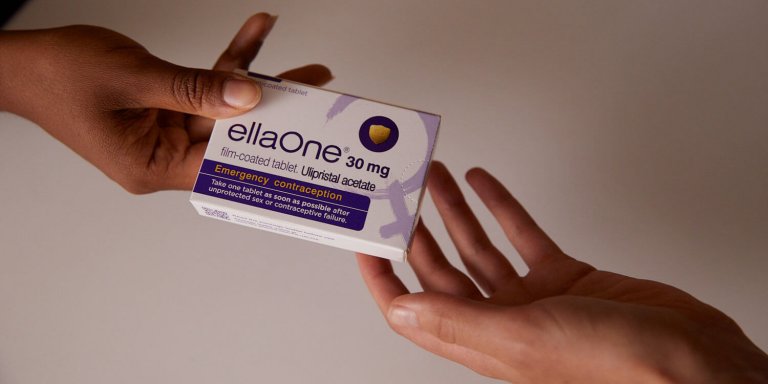
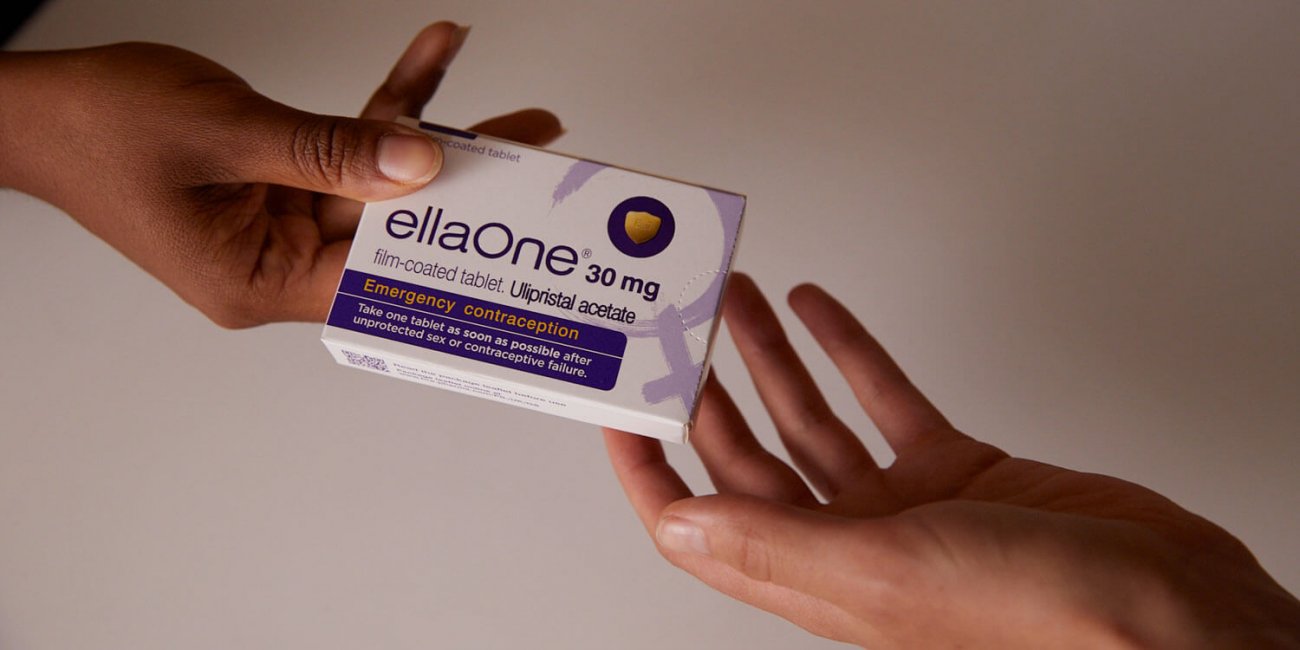
If you’ve had unprotected sex, or your usual contraception has failed, you may feel overwhelmed trying to decide what to do next. Try not to panic. The day after pill (also known as the morning after pill) is an effective way to reduce the risk of an unplanned pregnancy after unprotected sex. If you need emergency contraception, this guide can help you make an informed decision quickly and allow you to feel more confident and in control of your next steps.
How do emergency contraceptive pills work?
The emergency contraceptive pill works by delaying or preventing ovulation, the release of an egg. Without an egg for the sperm to fertilise, pregnancy can’t happen. Because sperm can survive inside the body for several days, timing matters. Emergency contraception gives you time by preventing you or your partner from ovulating until the sperm is no longer viable.
Why take the day after pill?
You or your partner may want to take the morning after pill if you’ve had unprotected sex or your usual contraception has failed.
This could include:
- You had sex without using contraception
- A condom split, slipped, or was used incorrectly
- You missed one or more of your daily contraceptive pills
- You were sick or had diarrhoea soon after taking your pill
- You’re unsure whether your contraception worked
As menstrual cycles vary in length, so does the timing of ovulation, so it can be difficult to know exactly when your fertile days are. so even if you think you timed it right, each day of your cycle carries some risk of pregnancy.
You shouldn’t use emergency contraception as your typical form of contraception, and it doesn’t protect against sexually transmitted infections. It can only reduce the risk of unplanned pregnancy.
How to take the morning after pill
You or your partner should take the morning after pill as soon as possible after having an unprotected sexual incident. Emergency contraceptive pills are most effective when taken as soon as possible after unprotected sex, depending on the type of pill, it needs to be taken within 3 or 5 days after unprotected sex.
If you are already pregnant, the emergency contraceptive pill won’t terminate an existing pregnancy, and if this is the case for you, we recommend speaking to a healthcare professional to discuss your options.
If you throw up within three hours of taking the day after pill, you should take another dose as soon as possible.
What to expect when taking emergency contraception
Some people may be fine when they take the morning after pill. However, some may experience mild side effects that are usually short-lived. The most commonly reported side effects include:
- Headache
- Nausea
- Abdominal pain
- Period pains
If you take the day after pill, you may also experience changes in your menstrual cycle, which come from ovulation being delayed. Your next period may come a little later which is often a side effect of taking the medication. However, in some cases it can also be due to pregnancy if the product has not worked, so if you’re concerned, it’s worth speaking to a healthcare professional.
What are the different types of morning after pill?
There are two main types of emergency contraceptive pills. These are:
- Levonorgestrel (e.g. Levonelle)
- Ulipristal acetate (e.g. ellaOne)
Levonorgestrel
Emergency contraception pills that contain levonorgestrel as their active ingredient need to be taken within 72 hours, or 3 days, of the unprotected sexual incident.
Ulipristal acetate
Emergency contraceptive pills that have ulipristal acetate as their active ingredient, like ellaOne, can be taken up to 120 hours, or 5 days, after an unprotected sexual incident. No other morning after pill is more effective.*
With either type of morning after pill, the earlier you take it after unprotected sex, the more effective it is. So, the sooner the better!
Emergency contraception can significantly reduce the risk of pregnancy, but it does not work in every case, especially if taken later or after ovulation.
Is the emergency contraceptive pill different to regular contraceptive pills?
Yes, emergency contraception is entirely different to regular contraceptive pills. With regular contraceptive pills, you or your partner takes them every day to provide ongoing protection against pregnancy.
The emergency contraceptive pill doesn’t protect you against pregnancy for future sexual encounters, so you’ll need to start or resume using regular contraceptives – these could be pills, condoms, or Intrauterine Devices (IUDs), for example.
| Emergency contraceptive pill | Regular contraceptive pills |
|---|---|
| Taken after sex | Taken daily |
| Works by delaying ovulation following an instance of unprotected sex | Prevents ovulation continuously, or thins the uterine lining and thickens cervical mucus |
| Used as a one-off method | Provides on-going protection |
Is the morning after pill the same as the day after pill?
Yes, both the “morning after pill” and the “day after pill” are different names for the same thing. Both are names for the emergency contraceptive pill that you or your partner takes after unprotected sex to reduce the risk of pregnancy.
One key fact that these names don’t make clear is that you don’t have to take it the next morning or day. Depending on the type of emergency contraceptive pill you take, ellaOne for example can be taken up to 5 days after unprotected sex. However, taking it as soon as possible after unprotected sex is key – the earlier you take it, the more effective it is.
Do you need the morning after pill?
If you’ve had unprotected sex and are worried about an unintended pregnancy, the day after pill can help to reduce that risk, especially when taken as soon as possible. Many people feel embarrassed asking for emergency contraception, but remember, pharmacists see people frequently who want to get emergency contraception, and they just want to help you make the right decision.
You can either get ellaOne in person at a pharmacy, or you can buy ellaOne online. There are also free access options available on the NHS, with some pharmacies offering the morning after pill for free.
Either way, you’ll need to complete a brief, confidential consultation to ensure ellaOne is right for you. If you’re worried about what they may ask you, we’ve created a checklist tool to help you feel more prepared. You can screenshot or print your answers to take with you to show the pharmacist.
Acting quickly is the most important thing when you think you might need the morning after pill. Confidently take control of your own reproductive health with ellaOne, the most trusted morning after pill in the UK.**
*Verify at ellaone.co.uk/verify
**Based on sales data Verify at ellaone.co.uk/verify

ellaOne® 30mg film-coated tablet contains ulipristal acetate and is indicated for emergency contraception within 120 hours (5 days) of unprotected sexual intercourse or contraceptive failure.
*Based on sales data. Verify at ellaone.co.uk/verify
Always read the instructions on the package leaflet carefully. Health information within this website is provided for educational purposes only and is not intended to replace discussions with healthcare professionals. All decisions regarding patient care must be made with a healthcare professional considering the unique characteristics of the patient.