How long after sex can I test for pregnancy?


If you’ve had unprotected sex you may be wondering how soon you can find out whether you’re pregnant. Whether you’re hoping for a positive result or worried about an unintended pregnancy, it’s completely understandable to want answers as quickly as possible. Waiting to take a pregnancy test can feel incredibly stressful, especially when every day seems to last forever. Knowing when a pregnancy test is most likely to give an accurate result can help you decide what to do next.
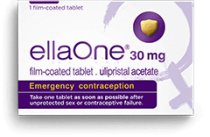
If you’ve had unprotected sex or a contraceptive failure, don’t wait to take a pregnancy test before taking action. Emergency contraception can help reduce the risk of pregnancy. Speak to a healthcare provider about using ellaOne as soon as possible after unprotected sex, as it’s most effective in the first 24 hours.
Most home pregnancy tests are accurate from the first day of your missed period. Not everyone knows when to expect their period, and that’s okay. If you’re not sure when your next period is due, you should take the test at least 21 days after you last had unprotected sex.
Although it can be tempting to test just a few days after unprotected sex, your body needs time to produce enough of the pregnancy hormone (human chorionic gonadotropin, or hCG) for a test to detect it.
Here’s a simple guide:
| Less than 7 days after unprotected sex | It's too early for a pregnancy test to be reliable. |
| Less than 7 days after unprotected sex | Some highly sensitive tests may detect pregnancy, but false negatives are still possible. |
| From the first day of your missed period | Most pregnancy tests are over 99% accurate when used correctly. |
If your result is negative but your period still doesn’t arrive, repeat the test a few days later, as hCG levels rise quickly in early pregnancy.
Would a pregnancy test right after unprotected sex be accurate?
No. This is because pregnancy takes time and doesn’t happen immediately after sex.
Before a pregnancy test can work:
- sperm must fertilise an egg
- the fertilised egg must travel to the uterus
- implantation must happen
- your body must begin producing hCG
This means that taking a pregnancy test straight after (or even a few days after) having unprotected sex won’t tell you if you’re pregnant from that episode. If there isn’t a sufficient amount of hCG yet, the pregnancy won’t register on the test.
Some early detection pregnancy tests claim they can actually detect pregnancy even before you’ve missed your period. While this is possible for some people, it’s worth remembering that hCG levels vary from person to person. Testing this early increases the chance of receiving a false negative because hormone levels might not be high enough yet. For the most accurate reading, it’s best to wait until the first day of your missed period.
What if I don't want to become pregnant?
If you’ve had unprotected sex in the last few days, and you’re worried about pregnancy, don’t wait for a pregnancy test. Emergency contraception exists to reduce your risk of pregnancy. It works before pregnancy happens, but it won’t work if you’re already pregnant, so it’s important to act fast.
Depending on how long it’s been since unprotected sex, you may be able to use:
- ellaOne (ulipristal acetate) – You can take this up to 120 hours (5 days) after unprotected sex, and it remains effective throughout this window, although it’s more effective the sooner you take it.
- Levonorgestrel emergency contraception – This should be taken within 72 hours (3 days) of unprotected sex. Again, this is more effective the sooner you take it.
- The copper coil (IUD) – This can be fitted by a healthcare professional within 5 days of unprotected sex. It’s the most effective form of emergency contraception and can also provide ongoing contraception.
If you’re not sure what method you need, speak to a healthcare provider who can provide personalised advice.
Can I get a false negative pregnancy test?
Yes. False negatives are much more common than false positives. False negatives can happen for a number of reasons, like:
- testing too soon
- using the test incorrectly
- testing using diluted urine (for example, after drinking lots of fluids, or testing later in the day)
- not waiting long enough after unprotected sex
For the most accurate result, you should:
- test from the day your period is due
- use your first urine of the morning if testing early
- carefully follow the instructions that come with the test
If you get a negative result on your pregnancy test but still think you might be pregnant, repeat the test a few days later.
What should I do if my pregnancy test is positive, but I don’t want to be pregnant?
If your pregnancy test is positive and the pregnancy wasn’t planned, it’s important to remember that you don’t have to make any decisions immediately. Try not to panic. It’s a good idea to arrange an appointment with your GP or a sexual health clinic to discuss your options and receive appropriate support.
What if my test is negative but my period still hasn't started?
A late period doesn’t always mean you’re pregnant.
Many things can impact your menstrual cycle, including:
- stress and anxiety
- illness
- changes in weight
- increased exercise
If your test is negative but your period still hasn’t arrived after a few days, repeat the test.
How can I reduce the risk of pregnancy after unprotected sex?
If you’ve had unprotected sex recently, emergency contraception may still be an option, depending on how much time has passed. You can use ellaOne for up to 5 days afterwards, but it works best the sooner you take it, so don’t wait.
Looking ahead, using reliable contraception consistently is the best way to reduce the risk of an unplanned pregnancy. Many options exist, including condoms, contraceptive pills, implants, injections, intrauterine devices (IUDs), and more. Speak to your healthcare professional to find the method that’s right for you.
I’ve had unprotected sex but I don’t want to be pregnant - what happens next?
Waiting to find out whether you’re pregnant can feel overwhelming, but taking a pregnancy test at the right time will give you the clearest answer. In most cases, that means waiting until the first day of your missed period, even if it feels like a long wait.
If you’ve had unprotected sex within the last five days, don’t wait to see if your period arrives. Consider emergency contraception as soon as possible, as it can either prevent ovulation, stop sperm reaching an egg, or change the environment inside your body to help prevent pregnancy. Acting quickly gives you the widest range of options and the best chance of avoiding an unplanned pregnancy.
If you’ve had unprotected sex and don’t want to become pregnant, no morning after pill is more effective than ellaOne*.
Frequently asked questions
How accurate are home pregnancy tests?
When used correctly from the first day of your missed period, most home pregnancy tests claim to be more than 99% accurate.
Should I wait for a missed period before testing?
Yes. Waiting until the first day of your missed period gives you the most accurate result and reduces the chance of a false negative.
Can I still get pregnant if I take the morning after pill?
Emergency contraception significantly reduces the chance of pregnancy, but no method is 100% effective. If your period is late or unusual after taking the morning after pill, take a pregnancy test.
Where can I get emergency contraception?
You can get emergency contraception from many pharmacies, sexual health clinics, GP surgeries, and NHS urgent care services. Some online pharmacies also offer discreet consultations and delivery, provided you’re still within the treatment window.
References
*Verify at ellaone.co.uk/verify
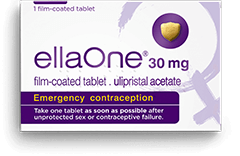

ellaOne® 30mg film-coated tablet contains ulipristal acetate and is indicated for emergency contraception within 120 hours (5 days) of unprotected sexual intercourse or contraceptive failure.
*Based on sales data. Verify at ellaone.co.uk/verify
Always read the instructions on the package leaflet carefully. Health information within this website is provided for educational purposes only and is not intended to replace discussions with healthcare professionals. All decisions regarding patient care must be made with a healthcare professional considering the unique characteristics of the patient.