How to support a friend after a contraception scare (without making it awkward)
When a friend asks for support around getting or taking the morning after pill, it’s completely normal to panic about saying or doing the wrong thing. The stigma around emergency contraception is real, and it’s not something that many of us discuss very often. You may find that you feel a little out of your depth and unsure as to how to reassure your friend about a process that you don’t entirely understand, especially if you have never taken the morning after pill yourself.
In 2025, ellaOne’s survey of 2001 sexually active 16-24 year olds revealed that 68% agree there is a stigma around the morning after pill, and 46% have delayed or avoided getting contraception because they felt awkward asking for it.*
Topics like sex, contraception, and pregnancy scares can make people feel a little bit vulnerable or embarrassed, even though they’ve done nothing wrong. If a friend of yours who has experienced contraceptive failure or had unprotected sex tells you what’s going on or comes to you for support, they probably already trust you.
You do not need to say the perfect thing all the time; you just need to be yourself: a supportive friend they already trust.
Read on for some ideas about what to do next.
Follow Their Lead
Try not to make any assumptions about what they need from you. Asking them what would help the most right now is often better than launching straight into advice. Different people need different kinds of support, after all.
Some people want practical help, for instance:
- Going to the pharmacy together
- Watching their kids while they go
- Helping them find information (like how much it is, where to get it from, or how it works)
- Lending them money to get it as quickly as possible
Others might just want a little reassurance, someone to sit with them while they’re panicking, or someone to talk through their options.
It can be tempting to start searching for other people’s stories online, but try not to overwhelm your friend with worst-case scenarios when they’re already feeling stressed. If they would like help finding information, try to stick with clear, reliable sources, such as the NHS.
Don’t Make It About Your Feelings
What your friend is going through is really not about your views on sex, relationships, contraception, or what you personally have or would have done under similar circumstances.
Don’t press them for information about what happened. They might be eager to share, or they might want to keep it entirely to themselves. You do not need to know what happened to be able to support them, and allowing them that privacy is, in itself, a way of showing that support.
Avoid lecturing your friend, judging them, making jokes at their expense, or treating them like they’ve been irresponsible. The goal is to support them, not to punish them and make them wish they had never come to you at all.
Keep It To Yourself
If your friend trusts you enough to tell you that they need emergency contraception, it’s important to keep that information to yourself unless they explicitly tell you otherwise. Even casual comments or jokes can feel absolutely humiliating later.
The Morning After The Morning After
Take the time to check in with your friend the next day. This doesn’t need to be a huge deal, but you could send a quick message just asking them how they’re feeling and letting them know you’re still there if they need you.
Be Normal
One of the best, most supportive things you can do is to not treat the situation like a huge deal or a big scandal.
The morning after pill is healthcare. People have all sorts of reasons for needing to access emergency contraception, and it doesn’t make them irresponsible or mean anything at all about who they are as a person.
Sometimes the best thing you can offer is just being there and letting them know that everything is going to be okay.
A lot of the distress people feel around emergency contraception comes straight from stigma and the fear of being judged. It would be impossible for you, as one person, to remove all of that, but this is your opportunity to make the experience feel safer, calmer, and far less lonely for someone you care about.
References
*ellaOne Data on File: Sex education and contraception. 17th June 2025. 2001 sexually active 16-24 year olds (male, female, trans, non-binary) in the UK.
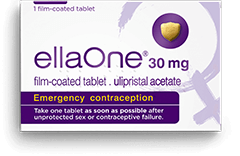

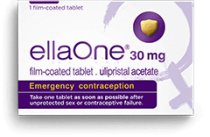
ellaOne® 30mg film-coated tablet contains ulipristal acetate and is indicated for emergency contraception within 120 hours (5 days) of unprotected sexual intercourse or contraceptive failure.
*Based on sales data. Verify at ellaone.co.uk/verify
Always read the instructions on the package leaflet carefully. Health information within this website is provided for educational purposes only and is not intended to replace discussions with healthcare professionals. All decisions regarding patient care must be made with a healthcare professional considering the unique characteristics of the patient.