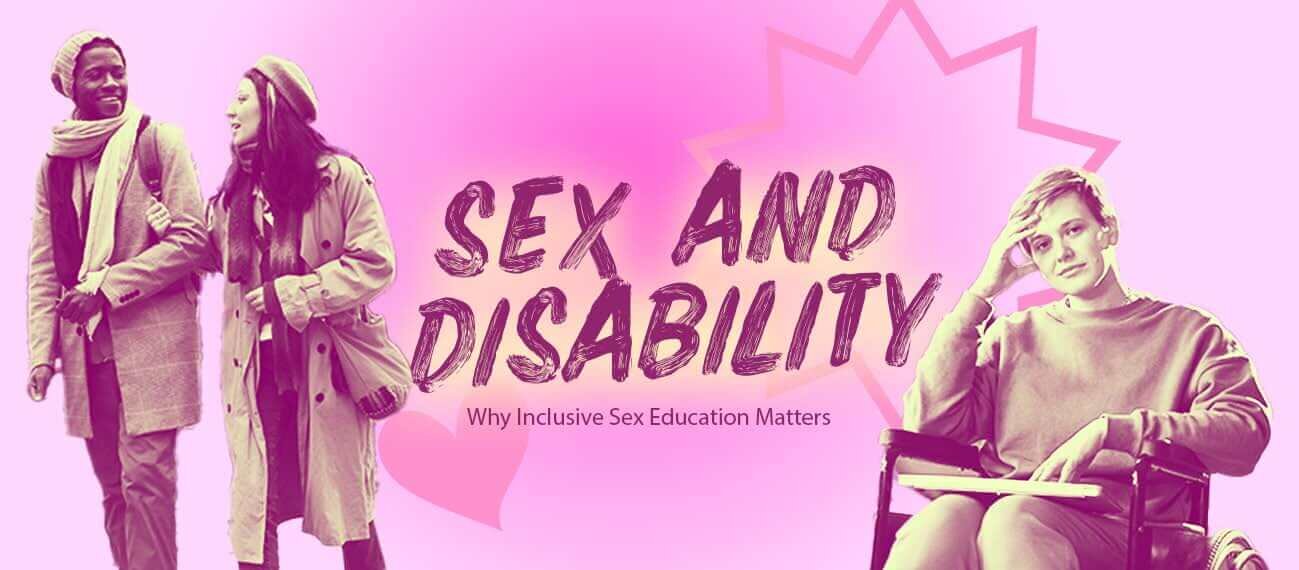
Sex and disability: why inclusive sex education matters
Talking about sex can be so awkward. You have to establish comfort levels, set boundaries, and explain to the person you’re talking to that yes, you definitely are capable of experiencing desire and you actually can have sex…or is that last one something only disabled people go through?
It’s true: some people are really surprised to learn that disabled people can have sex, that neurodiverse people can experience attraction, and that it’s kind of weird that some people feel the need to ask (often totally unprompted!).
“When I got married one of my friends asked if we could even ‘enjoy’ the wedding night,” says Ashley, 28, who was recently diagnosed with autism. “Not even a friend I would typically talk to about sex. It just became fair game after the diagnosis for some reason. He’d decided I was asexual.”
Sex ed often excludes disabled and neurodiverse people from the conversation too, leaving a lot of people high and dry when it comes to navigating their sexuality safely. Everyone deserves to learn about contraception and consent in an inclusive and informative way!
Disabled people do have sex though, all the time. Good sex, bad sex, sex with multiple partners, solo sex… all kinds of sex!
“Because of historical marginalization and discrimination, disabled people are often infantilized and so information is kept from them, including sexual health information,” explains Canadian sex educator Landa Fox* who specialises in disability-inclusive sex education. “Knowledge is power, and disabled students deserve to be given the power to have a sexual identity and engage in sexual behaviour that is safe, healthy, and fulfilling to them.”
What Does It Mean?
When the people around you assume that you aren’t capable of experiencing sexual or romantic feelings, it can affect your relationships in all sorts of ways. Friends and family may become overprotective and discourage you from dating, warn potential partners away, or even give you inaccurate information when you ask for advice. Potential romantic or sexual partners may also make assumptions of their own, choosing not to pursue a relationship or even discuss the possibility of dating.
These experiences can be incredibly isolating, contributing to feelings of loneliness and making it harder to form meaningful romantic, sexual and social connections.
When Sex Education Leaves People Out
It isn’t just that disabled people are sometimes left out of conversations about sex. When sex education does talk about disability, it can focus heavily on risk, safeguarding and what could go wrong, rather than giving disabled people the same information everyone else gets about desire, pleasure, relationships and making their own choices.
Accessible sex education should cover the basics you’d expect: contraception, STIs, consent and healthy relationships. It should also recognise that disabled people may have questions that aren’t answered by a standard sex education lesson. How might a physical disability affect different types of sex? Are there ways to make sex more comfortable or accessible? Could medication affect sexual function or contraception? How can someone communicate their boundaries if they communicate differently? What does pleasure look like for them?
These aren’t niche questions; they’re just questions that many people without disabilities don’t necessarily have to consider. People shouldn’t have to figure everything out alone because the information wasn’t designed with them in mind.
Good sex education shouldn’t decide who is going to have sex. It should give people the information, language and confidence to make their own choices safely.
Sexual Health Should Be Accessible, Too
For some disabled people, there may be practical questions that aren’t covered by standard contraceptive advice. Can I use this method independently? Could my medication affect my contraception? Is the information available in a format I can understand? What happens if I need emergency contraception? And will I be treated with the same respect when I ask for it?
None of these questions mean that disabled people are somehow having a different kind of sex. They’re simply questions about making sexual healthcare work for different bodies, circumstances and needs.
Healthcare professionals have a role to play here, too. Making contraception advice accessible means listening to the person in front of you, asking what support they need and giving them the information they need to make their own decisions, rather than making assumptions about what they will or won’t be interested in.
Contraception is part of sexual autonomy.
Consent, Choice and Autonomy
Everyone has the right to make choices about their own body, and consent is a fundamental part of that. For disabled people, conversations around consent can sometimes involve additional considerations around communication, capacity and support.
In the UK, the Mental Capacity Act says that people should be presumed to have capacity to make their own decisions and be given appropriate support to do so. Capacity is specific to the decision being made, rather than something that can simply be assumed from a person’s diagnosis or disability and treated as a catch-all (learn more about this here).
There really is a fine line between protecting someone from harm and removing their autonomy. Family members, carers and other people around a disabled person may have very genuine concerns about their safety. Still, those concerns shouldn’t automatically mean that someone is prevented from dating, forming relationships or expressing their sexuality.
Ask Rather Than Assume
A disability doesn’t tell you whether someone is sexually active, interested in relationships, attracted to other people, or capable of making their own decisions. Ask rather than assume, give people the space to tell you what they want, and then really listen.
Make information accessible. Withholding information about sex, contraception or consent because you think someone doesn’t need it just leaves them less equipped to make informed choices. Everyone deserves information they can understand, in a format that works for them.
Recognise that consent doesn’t have to look or sound exactly the same for everyone. People communicate in different ways, and some may need additional time or support to understand information and make a decision. Supporting someone to make their own choice is very different from making that choice for them.
And, of course, consent must always be genuine. Someone needs to have the capacity and freedom to make the decision, and being able to say “yes” doesn’t necessarily mean that someone is freely choosing to take part. Pressure, coercion, threats or exploitation can affect whether consent is genuine, regardless of whether someone is disabled.
If there are genuine concerns about someone’s safety, specialist advice should be sought rather than making assumptions about what a disabled person can or cannot do, or looking for answers online.
If you yourself are disabled and you’ve found yourself being treated as though you shouldn’t be interested in sex or relationships, you aren’t doing anything wrong by wanting those things. You deserve accessible information about sex, contraception and consent, and you deserve to be able to ask questions without being judged or infantilised, just like everyone else. Some useful resources include Landa Fox’s PositiveConnections, and organisations like disability charity Scope UK, or Mencap, as well as loads of sex educators who talk about their own experiences, like Milly Evans* (who once gave us her sex ed story here!).
Safe and enjoyable sex should be accessible to everyone who wants it. That includes being able to access contraception and emergency contraception when you need it.
If you are worried about how the morning after pill might interact with your usual medication, check out this piece on medication and the morning after pill.
*The sex educators mentioned in this article do not endorse any products or brands.
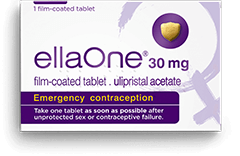

ellaOne® 30mg film-coated tablet contains ulipristal acetate and is indicated for emergency contraception within 120 hours (5 days) of unprotected sexual intercourse or contraceptive failure.
*Based on sales data. Verify at ellaone.co.uk/verify
Always read the instructions on the package leaflet carefully. Health information within this website is provided for educational purposes only and is not intended to replace discussions with healthcare professionals. All decisions regarding patient care must be made with a healthcare professional considering the unique characteristics of the patient.