What are the chances of getting pregnant from precum?


The short answer is yes, precum can cause pregnancy. However, the chances are generally lower than if ejaculation occurs inside the vagina.
Precum (also known as pre-ejaculate) is the clear fluid released from a penis before the person ejaculates. Although it doesn’t usually contain sperm, it sometimes can, which means pregnancy is possible.
If you’ve had unprotected sex or a contraceptive failure, it’s important not to rely on assumptions about whether it was “only precum”. Instead, think about whether emergency contraception might be an appropriate option to help reduce your risk.
What is precum?
Precum is a clear, slippery fluid produced by glands at the base of the penis when someone is aroused, but before they ejaculate.
Its main role is to prepare the urethra for ejaculation. It does this by:
- Neutralising acidity in the urethra (urine is naturally acidic), which protects the sperm as they travel through the urethra
- Acting as a natural lubricant, making it easier for sperm to travel during ejaculation
Precum itself isn’t the same as semen, but because it can sometimes contain sperm, there’s still a risk of getting pregnant.
Does precum contain sperm?
This is where things get a little more complicated.
Precum itself doesn’t naturally contain sperm. But it’s important to know that sperm can sometimes linger in the urethra from a recent ejaculation, so the precum can pick these up on its way out of the penis.
Even scientific research has shown mixed results. Some studies have found no sperm in precum, while others have found sperm in samples from some men. The important thing, though, is that it’s impossible to know whether a particular amount of precum contains sperm, so you shouldn’t think of it as risk-free.
How common is it to get pregnant from precum?
It’s difficult to put an exact number on the risk because it depends on several factors, including:
- Whether sperm is present in the precum
- Where you are in your menstrual cycle
- Whether ovulation is close
- Whether ejaculation occurred later during sex
- Whether contraception was used correctly
Pregnancy from precum alone is thought to be less common than pregnancy following ejaculation inside the vagina, but crucially, it can happen.
If you’re within your fertile window, even a small number of sperm can be enough to allow one to fertilise an egg. Your fertile window is the time around ovulation when pregnancy is most likely.
Is the pull-out method effective?
The withdrawal (pull-out) method involves removing the penis from the vagina before ejaculation happens.
While withdrawing before ejaculation does reduce the chance of pregnancy compared with not withdrawing at all, it’s much less reliable than using contraception. It’s not an effective way to avoid pregnancy and the NHS advises against it.
This is because:
- Precum may contain sperm
- It can be difficult to withdraw in time every time
- Even a small amount of semen entering the vagina can lead to pregnancy happening
With typical use, the pull-out method has a relatively high failure rate because it relies on perfect timing every time you have sex. Plus, even if your timing is perfect, precum can still contain sperm, so pregnancy could still happen.
If you’re trying to avoid pregnancy, using a reliable method of contraception alongside withdrawal provides much better protection. If you’ve had unprotected sex but don’t want to get pregnant, emergency contraception can reduce your risk
Emergency contraception, including ellaOne, may be available from pharmacies without a prescription following a consultation, as well as through GPs and sexual health services. It works best the sooner after unprotected sex that you take it, but can’t protect against STIs. Anyone concerned about STI exposure should seek appropriate testing and advice from a healthcare professional.
What should I do if I think I could become pregnant from precum, but I don’t want to be?
If you’ve had unprotected sex involving precum and don’t want to become pregnant, try not to panic. There are steps you can take.
Consider emergency contraception
Emergency contraception can help prevent pregnancy after unprotected sex.
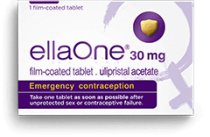
- Ulipristal acetate emergency contraception (such as ellaOne): You can take this up to 120 hours (5 days) after unprotected sex, and it can work throughout this time, although it’s most effective the sooner you take it. It works by delaying or preventing ovulation.
- Levonorgestrel emergency contraception: You can take this up to 72 hours (3 days) after unprotected sex, and it also works best the sooner you take it.
- The copper coil (IUD): You can have this fitted by a healthcare professional within five days of unprotected sex, and it’s the most effective form of emergency contraception.
Remember, the sooner after unprotected sex that you go and get advice from a healthcare professional, the more options you’ll have.
Timing also matters when it comes to choosing a morning after pill. Both available kinds work by delaying ovulation, but as most women don’t know for certain when they will ovulate, it is best to take it as soon as possible to reduce your risk of unintended pregnancy.
So, what are the chances of getting pregnant from precum?
This is tricky to answer definitively. Although pregnancy from precum is less likely than pregnancy after ejaculation, it’s still definitely possible. Because there’s no way of knowing whether a specific amount of precum contains sperm, it’s safest to treat unprotected sex involving precum as though it carries some risk of pregnancy.
Plus, there’s also the risk of STIs. Precum can absolutely transmit infections, so unless you know for certain that your partner doesn’t have one, you should always use a condom. Getting tested regularly is also a great way to keep yourself healthy.
If you’re worried about pregnancy, don’t wait to see what happens. Emergency contraception, like ellaOne, may help prevent pregnancy if taken within the recommended timeframe, and taking action sooner gives you the greatest choice of options. Speak to your healthcare provider if you’ve had unprotected sex and don’t want to become pregnant, or if you’re concerned about sexually transmitted infections.
Frequently asked questions
Can a woman get pregnant from pre-ejaculate?
Yes. Although precum doesn’t usually contain sperm, it can sometimes carry sperm, so pregnancy is possible.
Can I get pregnant if my partner pulls out in time?
Yes. The withdrawal method can reduce the risk, but it doesn’t get rid of it entirely because precum may contain sperm and this method isn’t always perfect.
Should I take emergency contraception if there was only precum?
If you’ve had unprotected vaginal sex and don’t want to get pregnant, it’s definitely worth considering emergency contraception. A pharmacist or healthcare professional can help you decide which option is most suitable for you, based on how long it’s been since you had unprotected sex and your personal circumstances.
What if I’m not sure whether any precum entered the vagina?
If you’re unsure, don’t rely on guessing. Speak to a pharmacist or healthcare professional as soon as possible about emergency contraception.
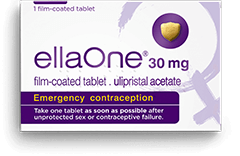

ellaOne® 30mg film-coated tablet contains ulipristal acetate and is indicated for emergency contraception within 120 hours (5 days) of unprotected sexual intercourse or contraceptive failure.
*Based on sales data. Verify at ellaone.co.uk/verify
Always read the instructions on the package leaflet carefully. Health information within this website is provided for educational purposes only and is not intended to replace discussions with healthcare professionals. All decisions regarding patient care must be made with a healthcare professional considering the unique characteristics of the patient.