
What is Emergency Contraception?
If you’re feeling overwhelmed right now, you’re definitely not alone. We’ve put together this guide to help you understand what emergency contraception is, how the morning after pill works, how effective it is, where you can get it in the UK, and what to expect afterwards.
What is emergency contraception?
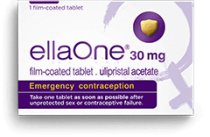
Emergency contraception is a way to help reduce the risk of pregnancy after unprotected sex or contraceptive failure. You may also hear people calling oral formats the morning after pill or the day after pill, but those names can actually be a little misleading – some types, like ulipristal acetate which is the active in ellaOne, can be used up to 5 days (or 120 hours) after an unprotected sexual incident. However, all morning after pills are most effective the sooner after unprotected sex you take them.
In the UK, there are two main methods: the oral pill and the copper intrauterine device (IUD), sometimes called the copper coil. Then, there are two types of emergency contraception pills, including:
- Ulipristal acetate (such as ellaOne)
- Levonorgestrel
The best option for you will depend on a variety of personal factors, including:
- How long ago you had unprotected sex
- Your weight or BMI
- Any medications you take
Is the day after pill the same as abortion?
No, morning after pills are not the same as an abortion. This is one of the most common misconceptions about emergency contraception, and it’s understandable why people get confused.
Emergency contraceptives like ellaOne help to prevent pregnancy before it starts – they delay or prevent ovulation so that there’s no egg available for the sperm to fertilise. They don’t end an existing pregnancy.
Abortion treatments work completely differently and are used after pregnancy has already started. If you’re already pregnant, the morning after pill won’t end the pregnancy or harm it.
How does the morning after pill work?
Emergency contraceptive pills mainly work by delaying or preventing ovulation. Ovulation is when your ovary releases an egg.
If your ovaries don’t release an egg:
There’s nothing there for the sperm to fertilise
Pregnancy can’t happen
Because sperm can survive inside the body for 5 days, pregnancy can still happen a few days after unprotected sex if ovulation takes place during that time. Day after pills work by delaying or preventing ovulation until the sperm are no longer alive to fertilise the egg, which helps reduce the chance of pregnancy.
There are two types of emergency contraceptive pills, with some containing levonorgestrel and others containing ulipristal acetate. You can get branded or generic variants, but they all contain one of the two active ingredients. Depending on which ingredient they use, they work slightly differently.
It’s important to know that day after pills:
Don’t work if you’ve already ovulated
Don’t end an existing pregnancy
Don’t harm an implanted embryo
Don’t affect future fertility
And while morning after pills can help to reduce the chance of pregnancy, they don’t protect against sexually transmitted infections (STIs). If you’ve had unprotected sex, it’s important to visit your local sexual health clinic or GP for a check-up.
The sooner after unprotected sex that you use emergency contraception, the more effective it’s likely to be.
How effective are emergency contraception pills?
Emergency contraception pills are most effective when you take them as soon as possible. The good news is that both ulipristal acetate (such as ellaOne) and levonorgestrel are effective options, but scientific evidence shows there are some differences.
Within 24 hours
In clinical trials:
- Levonorgestrel emergency contraception pills showed an overall 2.3% pregnancy rate when used within the first 24 hours after unprotected sex
- ellaOne showed an overall 0.9% pregnancy rate within the same time frame
This works out to be:
- 23 pregnancies in every 1000 people who took levonorgestrel
- 9 pregnancies in every 1000 people who took ellaOne
Within 72 hours
Research found:
- An overall 2.2% pregnancy rate in women taking levonorgestrel within 72 hours
- An overall 1.4% pregnancy rate if ellaOne was taken in the same time frame
This works out to be:
- 22 pregnancies in every 1000 people who took levonorgestrel
- 14 pregnancies in every 1000 people who took ellaOne
A really important thing to remember is that no emergency contraception works 100% of the time, but taking the morning after pill as soon as possible after unprotected sex or contraceptive failure gives you the best chance of preventing pregnancy. It’s also crucial to note that emergency contraception pills are not effective if you’ve already ovulated.
How to use emergency contraception
How you use emergency contraception depends on the method you choose. You take day after pills by swallowing them with water, while the copper IUD needs to be fitted by a trained healthcare professional.
You can use emergency contraception at any point during your menstrual cycle, though the copper IUD can only be fitted as long as you’re not pregnant.
When should I take the day after pill?
As soon as possible. Emergency contraceptive pills work better the sooner they’re used after unprotected sex or contraceptive failure.
After taking the morning after pill:
- Follow any instructions provided in the patient information leaflet or by your pharmacist
- Use condoms or another barrier method for the rest of your cycle
- Consider looking into daily or regular contraception options if you find yourself using emergency contraception regularly
If you’re sick within 3 hours of taking the tablet, you may need to take another dose. If this happens, speak to a pharmacist or healthcare professional for advice. If your period is more than 7 days later than expected after taking the morning after pill, take a pregnancy test or consult your GP.
Using the copper IUD
To get the copper IUD fitted, you’ll need an appointment with a doctor or trained clinician. This is usually carried out at:
- Sexual health clinics
- Some GP surgeries
The whole procedure only takes a few minutes. For most people, it’s a really simple appointment, although some people may experience temporary discomfort while it’s being inserted. Taking someone like your partner or a friend with you for moral support can help if you’re feeling nervous.
You may experience some side effects, including:
- Some period-like pain for a few days after having it fitted
- Bleeding between your periods
Your periods may also initially be heavier, longer or more painful, but this usually gets better after a few months.
Comparing the methods of emergency contraception
Different methods of emergency contraception are available in the UK, with each working slightly differently.
Methods of emergency contraception: At a glance
The table below compares the main emergency contraception options available in the UK, including ulipristal acetate (such as ellaOne), levonorgestrel, and the copper IUD.
| Ulipristal Acetate (like in ellaOne) | Levonorgestrel | Copper IUD (known as the Copper Coil) | |
|---|---|---|---|
| How do I use it? | One tablet that you swallow whole with water at any time during your menstrual cycle. | Typically, one tablet that you swallow whole with water at any time during your menstrual cycle. | It’s a small T-shaped device that a trained healthcare provider inserts into your womb. |
| When can it be effective? | Up to 5 days (120 hours) after an unprotected sexual encounter or contraceptive failure. | Up to 3 days (72 hours) after unprotected sex or contraceptive failure. | Up to 5 days (120 hours) after an unprotected sexual encounter or contraceptive failure and will continue to be effective for 5-10 years depending on the type used. |
| How effective is it at preventing pregnancy? | Data from clinical trials found that 9 in 1000 people would get pregnant after using ellaOne within 24 hours of unprotected sex. | Data from clinical trials found that 23 in 1000 people would get pregnant after using levonorgestrel within 24 hours of unprotected sex. | Less than 1 in 100 women who use the IUD will get pregnant. |
| When is it most effective? | As soon as possible after unprotected sex. | As soon as possible after unprotected sex. | As soon as it is fitted but must be within 5 days of unprotected sex or contraceptive failure. |
| How does it work? | Delays or prevents ovulation, so sperm have no egg to fertilise. | Delays or prevents ovulation, so sperm have no egg to fertilise. | Alters cervical mucus to prevent implantation by releasing small amounts of copper into your womb. |
| How do I get it? | After a consultation, from a pharmacy without a prescription, from a doctor, a sexual health clinic, or by ordering online. | After a consultation, from a pharmacy without a prescription, from a doctor, a sexual health clinic, or by ordering online. | You will need to make an appointment with a doctor or a sexual health clinic to get the copper coil inserted. |
| How much does it typically cost? | Around £35 for ellaOne, or free if you’re eligible for the NHS Pharmacy Contraception Service. | Between £15 and £27, depending on the brand, unless you can access the UK’s free scheme. | Free. |
| Does it protect against STIs? | No. | No. | No. |
| Will it protect me against future instances of unprotected sex? | No. | No. | Yes – it can be effective for 5-10 years, depending on the type. |
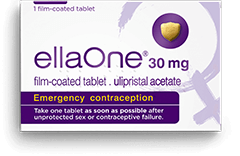

ellaOne® 30mg film-coated tablet contains ulipristal acetate and is indicated for emergency contraception within 120 hours (5 days) of unprotected sexual intercourse or contraceptive failure.
*Based on sales data. Verify at ellaone.co.uk/verify
Always read the instructions on the package leaflet carefully. Health information within this website is provided for educational purposes only and is not intended to replace discussions with healthcare professionals. All decisions regarding patient care must be made with a healthcare professional considering the unique characteristics of the patient.