What to do after unprotected sex


If you’ve had unprotected sex and you’re worried about pregnancy, it’s completely normal to feel anxious. Whether the condom split, you missed a contraceptive pill, or sex happened unexpectedly, you may be wondering what to do next and how much time you have to act to avoid pregnancy.
The good news is that there are things you can do to reduce your risk of pregnancy. Emergency contraception is available, and the quicker after unprotected sex that you act, the more options you’ll have.
This article looks at what to do to reduce your risk of pregnancy, but if you’re having unprotected sex on purpose and trying to become pregnant, read towards the end to find out what you need to do.
What should I do immediately after unprotected sex?
If you want to avoid a pregnancy, the first thing is to try not to panic or feel anxious. You have options to reduce your risk of pregnancy. Your next steps should be:
- Consider emergency contraception as soon as possible
- Avoid having any more unprotected sex until you’ve put a plan into place to make sure you’re protected
- Monitor your next period
- Take a pregnancy test if your period is late or unusual
- Speak to a healthcare professional like a local pharmacist or GP, if you need advice or support
The sooner you use emergency contraception, the more effective it can be.
Can I prevent pregnancy after unprotected sex?
Emergency contraception can help prevent pregnancy after unprotected sex or contraceptive failure.
There are three main emergency contraception options available in the UK:
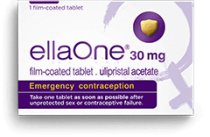
- Ulipristal acetate oral pill (brands include ellaOne)
- Levonorgestrel oral pill
- The copper coil (copper IUD)
These methods work differently, but all are designed to reduce the chance of pregnancy occurring after unprotected sex. Remember, though, it’s not 100% effective and if you’ve already ovulated, the morning after pill won’t work.
What is emergency contraception?
Emergency contraception is a method used to help prevent pregnancy after unprotected sex.
Many people refer to the oral method of emergency contraception as the “morning after pill” or “day after pill”, but these names can be misleading. Oral emergency contraception can be used several days after unprotected sex, but is most effective when it is taken as soon as possible following unprotected sex.
Emergency contraceptive pills work by delaying or preventing ovulation. If no egg is released, sperm has nothing to fertilise, so it avoids pregnancy that way.
The copper coil works differently, but still helps reduce your risk of pregnancy. It needs to be fitted by a healthcare professional and is the most effective form of emergency contraception available.
How long do I have to take emergency contraception?
The sooner after unprotected sex you use emergency contraception, the more effective it can be. But the actual time window during which you may be able to use them varies depending on the method you choose.
- ellaOne: While it can technically be effective up to 5 days (120 hours) after having unprotected sex, ellaOne is most effective when taken as soon as possible. When it comes to oral emergency contraceptives, nothing is more effective than ellaOne.*
- Levonorgestrel: Levonorgestrel based morning after pills can be taken up to 72 hours (3 days) after unprotected sex, but work best when taken as soon as possible.
- Copper IUD: You can have the copper coil fitted up to 5 days after unprotected sex, and it provides ongoing contraception once it’s in place.
Even if you think you’ve left it too late to act, it’s still worth speaking to a healthcare professional like a pharmacist or doctor, because you may still have options available.
How soon can I take a pregnancy test after unprotected sex?
Most pregnancy tests are most accurate from the first day of a missed period. Some tests are highly sensitive and can detect the pregnancy hormones slightly earlier, but if you take a pregnancy test too early, you could get a false negative.
It’s best to wait until:
- The first day your period is due, or
- At least 21 days after you had unprotected sex
If the result is negative but your period still hasn’t arrived, take another test a few days later or speak to a healthcare professional for further advice.
What symptoms should I look out for after unprotected sex?
There usually aren’t any reliable symptoms in the days immediately after having unprotected sex. After pregnancy begins, early symptoms don’t usually happen for several weeks.
So, somewhat confusingly, having no symptoms doesn’t always mean you’re not pregnant, and having pregnancy symptoms doesn’t mean that you are. The only reliable way to know for sure is a pregnancy test.
When should I speak to a healthcare professional?
You should speak to a healthcare professional as soon as possible if you don’t want to become pregnant and:
- You need advice about emergency contraception
- It’s been several days since you had unprotected sex, and you’ve missed the window for emergency contraception
- You’re unsure about which emergency contraception is best for you
- You think you may be pregnant, whether you want to be or not
- Your period is late or unusual
- You have concerns about sexually transmitted infections (STIs)
Healthcare professionals can provide personalised advice and help you understand your options.
What if I want to become pregnant?
If you’re trying to become pregnant, excellent – you’ve taken the first step. There’s normally nothing you need to do immediately after unprotected sex. Pregnancy doesn’t happen instantly, with fertilisation and implantation taking several days. It may be several weeks before you notice any signs that you may be pregnant.
At this stage, the best thing you can do is to wait and monitor your cycle for any changes.
What is the best thing to do after unprotected sex?
If you’re not trying to become pregnant, the most important thing you can do is act quickly. Emergency contraception can help reduce the risk of pregnancy after unprotected sex, and the sooner you take it, the more effective it is likely to be. Try to seek advice as soon as possible from a pharmacist, sexual health clinic, or GP so you can choose the option that’s right for you. They’ll ask you a few questions to make sure you get the medication suitable for you.
Remember, unprotected sex happens to many people. Whether a condom broke, contraception failed, or things didn’t go quite to plan, help is available, and you still have options. To learn more about ellaOne and how it can help you reduce your risk of pregnancy, check out our guide. And, if ellaOne seems right for you, you can even buy it online.
*Verify at https://www.ellaone.co.uk/verify/
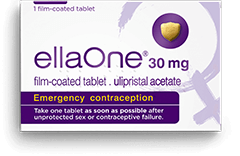

ellaOne® 30mg film-coated tablet contains ulipristal acetate and is indicated for emergency contraception within 120 hours (5 days) of unprotected sexual intercourse or contraceptive failure.
*Based on sales data. Verify at ellaone.co.uk/verify
Always read the instructions on the package leaflet carefully. Health information within this website is provided for educational purposes only and is not intended to replace discussions with healthcare professionals. All decisions regarding patient care must be made with a healthcare professional considering the unique characteristics of the patient.