
When contraception “fails” (and what that really means)
So, you did everything right. You remembered your pill, used a condom, or maybe even both…and yet here you are, wondering what you’re supposed to do now that your contraception has failed.
Firstly, this doesn’t mean that you failed. While many forms of contraception are over 99% effective, even this still leaves some room for contraceptive failure.
The difference between perfect use and typical use
Every method of contraception comes with two effectiveness figures: perfect use and typical use. “Perfect use” describes how well a method works when used consistently and correctly, every single time. “Typical use” refers to what happens more often in the real world: sometimes you miss your pill, condoms tear, or the timing might be slightly off if you’re practising the rhythm method, for instance.
The gap between those two numbers is wider than you might be thinking. The combined pill is actually over 99% effective with perfect use. With typical use…well, that figure drops to around 91%. That means roughly 9 in 100 people using it as their sole method but not managing to achieve “perfect” use may experience an unintended pregnancy in a year…not because the contraceptive method being used doesn’t actually work, but because even things like taking the pill at the wrong time can lower its effectiveness.
Why does contraceptive failure happen?
With hormonal contraception like the pill or patch, the most common reason for reduced effectiveness is inconsistency. Missing doses, taking pills at inconsistent times each day (ideally if you’re on the pill you’ll take it at the same time every single day without fail), not accounting for interactions with certain medications, or even vomiting can all affect how well they work to prevent pregnancy.
Condoms, when used correctly and consistently, are highly effective. But they can tear or slip off, particularly if not applied correctly. A single instance of unprotected sex carries a risk of pregnancy, even if it happens by accident.
For longer-acting methods like the IUD or implant, failure rates are much, much lower – but never zero. Even an IUD can occasionally be displaced. Not even sterilisation always offers a 100% guarantee. If you have a womb and ovaries, you could be at risk of pregnancy when having unprotected sex.
Timing and ovulation
Pregnancy can only occur if sperm meets an egg, and an egg is only available for around 12-24 hours after ovulation. However, sperm can survive inside the body for up to five days, which means unprotected sex several days before ovulation can still result in pregnancy.
Understanding your cycle and knowing when to expect ovulation or your period can help. But even if you do understand your cycle perfectly, things can still throw it off course a little and cause you to ovulate sooner or later than you were expecting; even common factors like stress or exercise can affect your cycle.
Emergency contraception is for emergencies
If you’ve had unprotected sex or think your contraception may not have worked, emergency contraception is an option, and no matter what you’ve heard, using it isn’t something to feel ashamed of. It’s a legitimate part of reproductive healthcare.
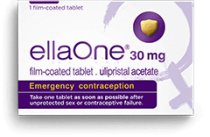
ellaOne® (ulipristal acetate 30mg) works primarily by delaying or inhibiting ovulation, helping to prevent fertilisation before it can happen. It can be taken up to 120 hours (five days) after unprotected sex, and is 2.5 times more effective than pills containing levonorgestrel when taken within 24 hours of unprotected sex. The sooner you take it, the better.
Always remember that emergency contraception is not the same as an abortion pill. It will not end an established pregnancy. If ovulation has already occurred and fertilisation has taken place, it will no longer work.
Stay informed
Needing emergency contraception is not a failure on your part. Understanding how your chosen method works, what impacts its effectiveness, and what your options are if something goes wrong is smart and allows you to take appropriate action to avoid unplanned pregnancy.
If you think you would like to review your contraceptive options following a contraceptive failure or pregnancy scare, talking to a pharmacist, GP, or sexual health clinic can help you find a method that suits your lifestyle, health needs, and comfort level.
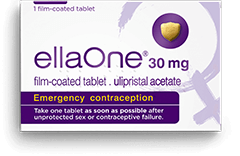

ellaOne® 30mg film-coated tablet contains ulipristal acetate and is indicated for emergency contraception within 120 hours (5 days) of unprotected sexual intercourse or contraceptive failure.
*Based on sales data. Verify at ellaone.co.uk/verify
Always read the instructions on the package leaflet carefully. Health information within this website is provided for educational purposes only and is not intended to replace discussions with healthcare professionals. All decisions regarding patient care must be made with a healthcare professional considering the unique characteristics of the patient.