Which emergency contraception is best for you?
Whether you’ve missed your pill, the condom has split or you just forgot (these things happen), you might be considering using emergency contraception. But which emergency contraceptive is the right option for you? It might feel a little overwhelming trying to choose which option to go for, but we’ve got your back.
There are two methods: oral emergency contraception (known as the morning after pill) and the copper intrauterine device (sometimes called the copper coil). Whichever method you choose, it’s important to remember that any emergency contraceptive will be most effective the sooner you use it.
The emergency contraceptive pill
The morning after pill can help prevent pregnancy by delaying ovulation. This means that after unprotected sex, no egg is released so there is nothing for the sperm to fertilise.
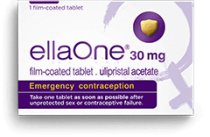
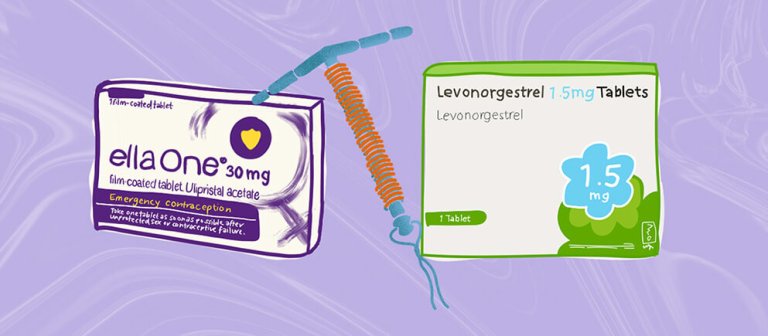
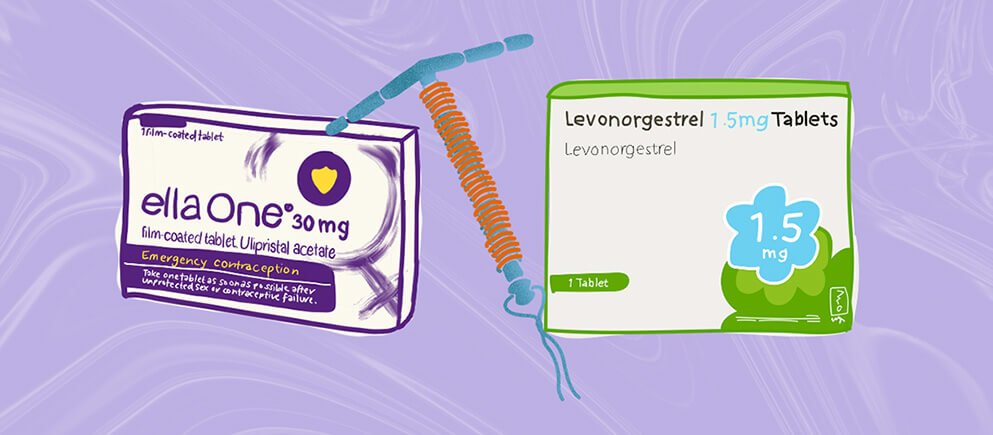
Did you know that there are two types of morning after pill? One containing ulipristal acetate (known as ellaOne) and another containing levonorgestrel. They work in a similar way, but ellaOne has been shown to be 2.5 times more effective than levonorgestrel when taken within 24 hours of unprotected sex.
Levonorgestrel can be effective when taken up to 72 hours after unprotected sex, whereas ellaOne can be effective for up to 120 hours afterwards.
Some people experience side effects after taking the morning after pill, but these are normally mild, and not everyone experiences them. If you vomit within 3 hours of taking the morning after pill you will need to take another dose, as it will not be effective.
How to get the emergency contraception pill
You do not need a prescription to get the emergency contraceptive pill. It can be given to you by a pharmacist, doctor, sexual health clinic or it can be ordered online. It can also be obtained free of charge from the NHS.
You will be asked some questions before being given the morning after pill, to make sure that the medicine is suitable for you. For more information about that, see here.
Possible side effects
Some people may experience mild side effects like headache, stomach pain, breast tenderness, changes in mood and nausea/vomiting. If you vomit within three hours of taking the morning after pill, you will need to take another dose, as the medicine won’t be effective.
The copper intrauterine device
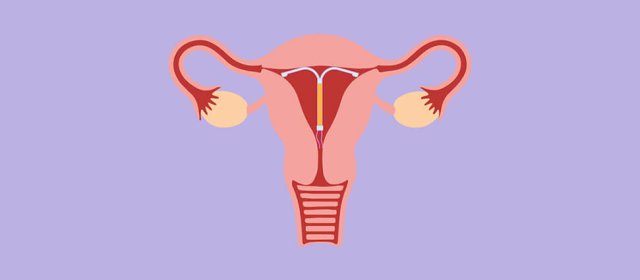
Other than the morning after pill, the other method of emergency contraception available in the UK is the copper IUD. This can be inserted up to 5 days after unprotected sex.
How it works
The IUD is non-hormonal. It releases copper into the womb, which changes the cervical mucus, making it difficult for sperm to survive and preventing a fertilised egg from implanting.
Timing and alternatives
As you need an appointment with a doctor or a nurse to have the IUD inserted, you might consider using oral emergency contraception in the meantime. This helps reduce the risk of pregnancy while you wait for a fitting.
Choosing the right method for you
Wondering which emergency contraception will be able to help protect against unplanned pregnancies on an ongoing basis? The copper IUD is the only option that also offers long-term contraception for several years. The morning after pill will only help protect you from unplanned pregnancy once. If you experience contraceptive failure or get caught up in the moment another time, you will need to take the morning after pill again.

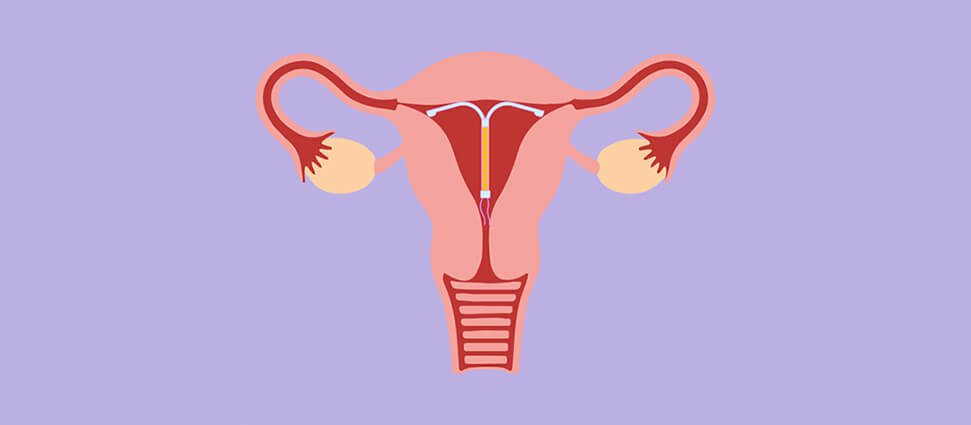
How do I know which emergency contraceptive is right for me?
If you’re reading this, then you’re already doing the right thing by doing your research.
If you have more specific questions, or an underlying medical condition, the best thing to do is to talk to a healthcare professional about your options. They are there to help you, not judge, and they are best placed to understand your individual circumstances.
To understand more about the key differences between different types of emergency contraception, we’ve laid out some basic information:
Different types of emergency contraceptive pills
The morning after pills available in the UK will either contain levonorgestrel or ulipristal acetate, like ellaOne®. It is this ingredient (ulipristal acetate) that makes ellaOne® 2.5 times more effective when taken within 24 hours of unprotected sex. Both work by delaying ovulation and will not be effective if you have already ovulated.
| |
Ulipristal Acetate (known as ellaOne) |
Levonorgestrel |
Copper Coil |
|---|---|---|---|
|
How do I take it? |
One tablet, it can be swallowed with water at any time in the menstrual cycle. | One tablet, it can be swallowed with water at any time in the menstrual cycle. | A small T-shaped device that is inserted into the womb by a doctor or nurse |
When can it be effective? |
Up to 5 days after unprotected sex | Up to 3 days after unprotected sex | Up to 5 days after unprotected sex |
How effective is it at preventing pregnancy? |
Data from clinical trials found that 9 in 1000 people would get pregnant after using ellaOne within 24 hours of unprotected sex. | Data from clinical trials found that 23 in 1000 people would get pregnant after using levonorgestrel within 24 hours of unprotected sex. | Less than 1 in 1000 women who use the IUD will get pregnant. (Source) |
When is it most effective? |
As soon as possible after unprotected sex. | As soon as possible after unprotected sex. | As soon as possible after unprotected sex. |
How does it work? |
Delays ovulation so sperm have no egg to fertilise. | Delays ovulation so sperm have no egg to fertilise. | Alters cervical mucus to prevent implantation. |
Where can I get it? |
You can get the morning after pill from a pharmacy without a prescription, from a doctor, sexual health clinic, or by ordering online. | You can get the morning after pill from a pharmacy without a prescription, from a doctor, sexual health clinic, or by ordering online. | You will need to make an appointment with a doctor or sexual health clinic to get the copper coil inserted. |
How much does it cost? |
Around £35 | Between £15 to £27, depending on the brand. | Free. |
When is it NOT suitable? |
It is suitable for most people, but some medicines can interact with ellaOne. It will have no effect if you are already pregnant. You can check whether ellaOne is suitable for you here. | It is suitable for most people, but some medicines can interact with levonorgestrel. It will have no effect if you are already pregnant. | It is not suitable if you are already pregnant or if you have other problems with your womb or your cervix |
Can I use it if I am breastfeeding? |
Yes, but you should express and discard your milk for one week after using ellaOne. | Yes, but you should avoid breastfeeding for at least 8 hours after using it. | Yes. |
Does it protect against STIs? |
No | No | No |
Will it protect me against future instances of unprotected sex? |
No | No | Yes - it can be effective for 5-10 years, depending on the type. |
Form/Type |
Ulipristal Pill, also known as Ulipristal tablet (ellaOne) | Levonorgestrel tablet, also known as the Levonorgestrel pill. | A T-shaped device inserted into the womb |
References
ellaOne® 30mg film-coated tablet contains ulipristal acetate and is indicated for emergency contraception within 120 hours (5 days) of unprotected sex or contraceptive failure. Always read the label.


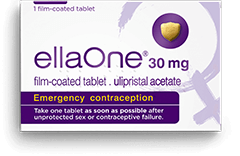

ellaOne® 30mg film-coated tablet contains ulipristal acetate and is indicated for emergency contraception within 120 hours (5 days) of unprotected sexual intercourse or contraceptive failure.
*Based on sales data. Verify at ellaone.co.uk/verify
Always read the instructions on the package leaflet carefully. Health information within this website is provided for educational purposes only and is not intended to replace discussions with healthcare professionals. All decisions regarding patient care must be made with a healthcare professional considering the unique characteristics of the patient.