

You took ellaOne® and now you are worried that your period is possibly late. Although this can be concerning and worrying, experiencing a late period can be a common side effect of the morning after pill, as the medication works by delaying ovulation. So, what’s normal? In this article, we will help to provide clarity on why someone might have a delayed period, how long this shift typically lasts, and when you might need to take a pregnancy test.
Why your period might be delayed after ellaOne®
Think of your menstrual cycle as a tight schedule. The goal of ellaOne®, which contains ulipristal acetate, is to interrupt that schedule just enough to help prevent an unplanned pregnancy. Essentially, it’s a high-dose hormone designed to hit pause on your ovulation.
As ovulation triggers your period, delaying it can delay your period. That’s why some people find their period arrives later than expected after taking the morning after pill, which can be a normal response to the medication’s temporary hormonal effects.
How long is your period delayed?
While many people get their period on time, often a cycle change can be expected and is a possible side effect of ellaOne®. The key question is how long a delay is considered normal.
Here’s what clinical data shows about period delays after taking ellaOne®: a delay of up to one week is common. If your period is more than 7 days late, best take a pregnancy test to be sure.
| Period delay frequency after ellaOne® | % of women experiencing side effect |
|---|---|
| Period came early (up to 7 days) | 7% |
| Period came late (more than 7 days) | 18.5% |
| Period came late (more than 20 days) | 4% |
When should you take a pregnancy test?
Even though ellaOne® is very effective, it can’t 100% prevent pregnancy. If your period is more than a week late, you will need to take a test.
When should you speak to a doctor?
If your period is delayed without any reasonable explanation, you should consider contacting your GP, especially if you experience any other concerning symptoms.
Summary
ellaOne® can delay your period because it shifts ovulation. If your period is over seven days late, please take a pregnancy test.
FAQ
- How long does ellaOne® affect my cycle?
The effects of ellaOne® on your hormones are temporary and usually only last for the cycle in which you take it.
Your period should get back to normal the following month once your body starts ovulating. For anyone wondering, there is no evidence that emergency contraception affects your future fertility.
2. Can I take a morning after pill more than once in the same cycle?
Yes, you can take ellaOne® again if you have unprotected sex before your next period. Just keep in mind that the morning after pill isn’t meant to be a regular form of birth control. It’s a good idea to talk to a healthcare professional about a reliable, long-term solution.
References:
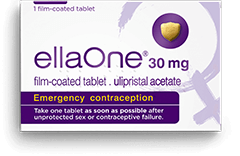

ellaOne® 30mg film-coated tablet contains ulipristal acetate and is indicated for emergency contraception within 120 hours (5 days) of unprotected sexual intercourse or contraceptive failure.
*Based on sales data. Verify at ellaone.co.uk/verify
Always read the instructions on the package leaflet carefully. Health information within this website is provided for educational purposes only and is not intended to replace discussions with healthcare professionals. All decisions regarding patient care must be made with a healthcare professional considering the unique characteristics of the patient.