Does the morning after pill have side effects?


If you need emergency contraception, you may have questions before you take it. If you’ve never taken it before, it’s completely normal to wonder how it could affect your body, with many women worrying that it might be bad for their overall health.
The good news is that whilst the day after pill can cause some temporary side effects, it isn’t harmful to your long-term health and doesn’t impact future fertility. Knowing what to expect can help you feel more confident about reducing your risk of becoming pregnant when you don’t want to be.
Is it ok to use the day after pill?
Let’s start off by caveating upfront that no medicine is entirely risk-free or can be deemed as ‘safe’ as possible side effects can happen, and all medicines carry potential risks. However emergency contraception pills may be an option for you when used within 3 to 5 days of having unprotected sex, without causing long-term side effects. Speak to a healthcare professional to understand which pill would be suitable for you and let them know of any concerns you might have – and don’t be afraid, they’re here to help you!
There are so many myths and misconceptions about the morning after pill, but we’re here to dispel them and put your mind at ease.
Does emergency contraception have side effects?
Some women will experience either no side effects at all or only mild ones after they take the morning after pill. Side effects are classified as very common, common, rare or very rare.
| Very common | May affect more than 1 in 10 people |
| Common | May affect up to 1 in 10 people |
| Rare | May affect up to 1 in 1,000 people |
| Very rare | May affect up to 1 in 10,000 people |
Very common and common side effects of the morning after pill vary depending on which pill you take, but may include:
- nausea
- abdominal (stomach) pain or discomfort
- vomiting
- painful periods
- pelvic pain
- breast tenderness
- headache
- dizziness
- mood swings
- muscle pain
- back pain
- Tiredness
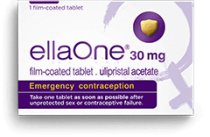
Your options in the UK for morning after pills are ulipristal acetate, like ellaOne, and levonorgestrel. You can read their patient information leaflets for more details about the possible side effects.
What are the rare side effects of the morning after pill?
Most side effects you may experience are mild and short lived. More serious side effects are rare. They may affect up to 1 in 1,000 people, and include:
- allergic reactions such as rash, hives or swelling of the face
- disorientation
- disturbance in taste
- dry throat
- fainting
- feeling thirsty
- genital pain or itching
- loss of concentration
- pain during sex
- red eye
- rupture of an ovarian cyst
- sensitivity to light
- shaking
- unusual sensation in the eye
- unusually light period
- vertigo
If you get anything that seems out of the ordinary for your body, speak to a healthcare professional.
If you feel severe stomach pain after taking emergency contraception, seek medical advice immediately. This could be a sign of an ectopic pregnancy, although this is rare.
You should also speak to a healthcare professional if your period is more than seven days late after taking ellaOne, more than five days after taking levonorgestrel, or if you think you may be pregnant.
How does the morning after pill affect your body?
The morning after pill is not considered harmful to your body.
The hormones in emergency contraception temporarily affect your menstrual cycle to help prevent pregnancy. This short term hormonal change can cause some mild and short lived symptoms, but these won’t damage your reproductive system or overall health.
Can the morning after pill affect your fertility?
There’s no evidence that taking the morning after pill will have a long lasting impact on your fertility. In fact, your fertility gets back to normal pretty soon after using emergency contraception. That’s why it’s so important to use a barrier method of contraception until after your next period.
Can the morning after pill be taken more than once in the same cycle?
You can take the morning after pill more than once in the same cycle but, like the name suggests, it’s designed for emergencies only and not as a regular form of contraception. If you find yourself needing to take it more than once in the same cycle then you may want to use the same type of pill each time, as different types of pill can affect each other.
However your best option would be to speak with you GP or pharmacist who can not only advise you in this situation but can also discuss your regular contraception options.
Which emergency contraception pill causes fewer side effects?
This is tricky to answer as some women find that one type suits them better than the other, whereas others notice no difference between the types of pills. The two types of morning after pill have comparable side effects and the most common side effects for both pills are headache, abdominal pain, and nausea.
The most important factor is seeking advice from your healthcare professional and choosing the option that is most suitable for you and your circumstances.
Should I worry about taking the morning after pill?
So, is the morning after pill safe to use? The simple answer is no. Emergency contraception doesn’t cause long-term harm to your body or fertility.
If you’re not too sure which emergency contraceptive is right for you, speaking to a pharmacist or healthcare professional can help you make an informed decision and feel reassured about your options. To learn more about ellaOne, read our guide, and if you feel that it’s the best option for you, you can even buy it online.
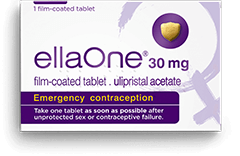

ellaOne® 30mg film-coated tablet contains ulipristal acetate and is indicated for emergency contraception within 120 hours (5 days) of unprotected sexual intercourse or contraceptive failure.
*Based on sales data. Verify at ellaone.co.uk/verify
Always read the instructions on the package leaflet carefully. Health information within this website is provided for educational purposes only and is not intended to replace discussions with healthcare professionals. All decisions regarding patient care must be made with a healthcare professional considering the unique characteristics of the patient.