Where can I get the morning after pill for free?
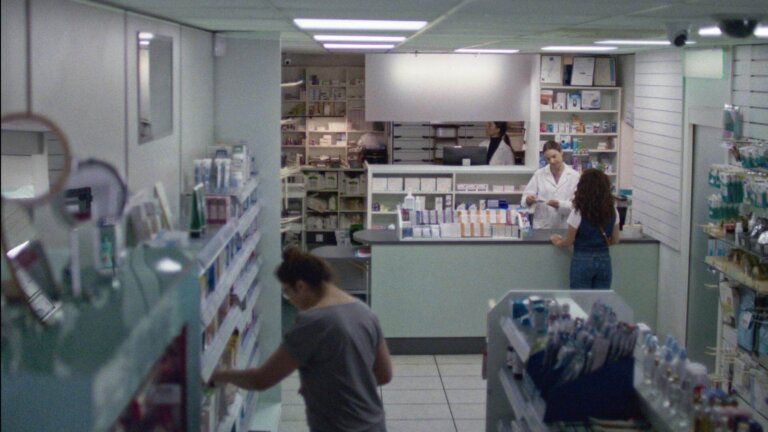
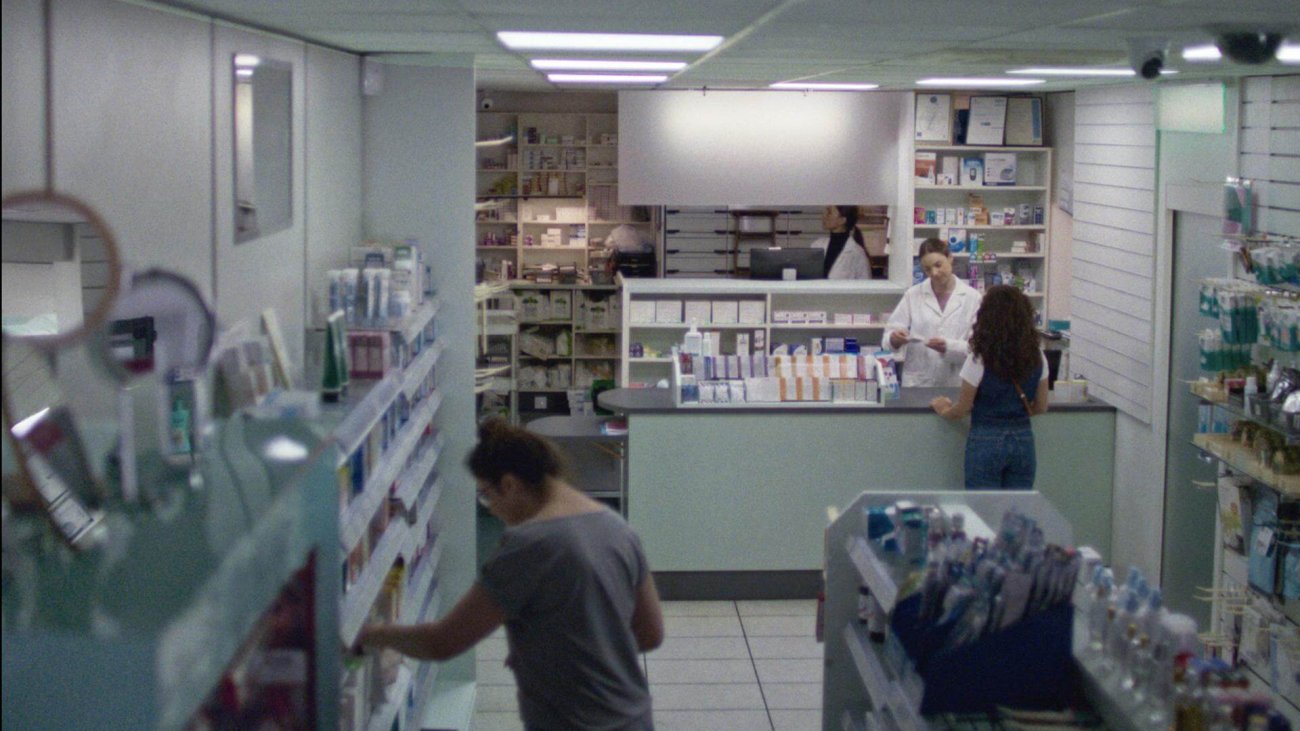
If you’ve had unprotected sex and want to avoid pregnancy, you need to act fast. If you’re worried about the cost of emergency contraception, there’s good news. Since October 2025, women in England have been able to get the morning after pill for free through the NHS, from many high street pharmacies. This tackles the many barriers that existed before – doctors’ surgeries being closed at weekends and lack of appointments available, even when they’re open, to name a couple.
Previously, access to free emergency contraception was limited, but now, in what’s being called “one of the biggest changes to sexual health services since the 1960s”, the new NHS Pharmacy Contraceptive Service aims to improve access across England. This helps more women reduce their risk of an unintended pregnancy without needing to get an appointment with their GP first.
Where you can access the day after pill, and which options are available may vary depending on your location and circumstances.
Where to get free emergency contraception
You can get the morning after pill for free in many parts of the UK.
You can access the free NHS Pharmacy Contraception Service from:
- Participating high street pharmacies
- Sexual health clinics
- Most GP surgeries
- Some NHS walk-in centres
- Young people’s services
You don’t usually need to pay for emergency contraception if you access it through NHS services. The NHS has a useful dedicated webpage for locating the closest places you can get the morning after pill from.
Pharmacies may offer:
- Ulipristal acetate (ellaOne)
- Levonorgestrel
Not every pharmacy offers both types, so availability can vary. You can find out more about the different types of oral emergency contraception below.
Who can get the morning after pill for free?
Across the United Kingdom, many community pharmacies now offer free morning after pills through the NHS Pharmacy Contraception Service. You don’t need a prescription, but you’ll need to speak to a pharmacist first so they can check which option is most suitable for you.
Can I get the morning after pill for free if I’m under 16?
Yes. Contraception is free and confidential, including for young people under 16. A doctor, nurse or pharmacist won’t tell your parents or carer, as long as they believe you understand the information and decisions involved. The only times they’ll have to involve someone else is if they think you or another person is at risk of harm.
Methods of emergency contraception available
Different methods of emergency contraception are available through NHS services. There are three main types of emergency contraception, two of which are in pill form.
Ulipristal acetate (ellaOne)
ellaOne is a type of emergency contraceptive pill which contains ulipristal acetate, it works by delaying or preventing ovulation, so there’s no egg for the sperm to fertilise. In this way, ellaOne helps to prevent pregnancy before it starts.
You can take it up to 120 hours, or 5 days, after an unprotected sexual incident, but it’s most effective in the first 24 hours. Find out more about it in our guide on ellaOne.
Levonorgestrel
Another popular choice for oral emergency contraception is levonorgestrel. You can take this one for up to 72 hours, or 3 days, after unprotected sex. Like ellaOne, it also works by delaying or preventing ovulation.
The copper coil
The copper intrauterine device, or copper IUD, can be used as a method of emergency contraception when fitted within 5 days (120 hours) after sex. but also provides longer-term contraception lasting 5-10 years depending on the type. You will need to book an appointment at a sexual health clinic or GP surgery to have the IUD fitted by a trained nurse or doctor.
Right option for you
Which option is the right choice for you may depend on when you had unprotected sex, your medical history, weight (or BMI), and if you’re looking for an ongoing contraceptive solution. If you had unprotected sex within the past 5 days, then ellaOne or the copper IUD would be a possible solution for you. But if you had unprotected sex more than 5 days ago, then neither would be suitable, so you should speak to your GP or pharmacist about your options.
No emergency contraceptives protect against STIs, so if you’ve had unprotected sex, it might be worth getting tested just in case. For more information on the different emergency contraception options, head over to our guide.
When might I have to pay for emergency contraception?
If you can’t get free emergency contraception or need it quicker than the NHS services can provide it, you can still get it privately from many pharmacies or online providers.
This can be helpful for you if:
- Local NHS services are closed, such as on weekends or Bank Holidays
- You can’t get an appointment soon enough
- You’d like a more discreet option
- You’re not eligible for free provision in your area
The cost of the morning after pill can vary depending on:
- The type of emergency contraception pill
- The pharmacy or provider you choose
- If you have it delivered
Generally, emergency contraception pills may cost somewhere between £10 and £35 if you buy privately. You don’t need a prescription, but as with the free options, you will need to complete a quick and simple consultation to make sure it’s right for you.
The emergency contraceptive pill consultation process
Whether you can access free or paid emergency contraception, they’ll probably ask questions about:
- when you had unprotected sex
- your age
- your medical history
- any medicines you take
If you buy ellaOne online, the consultation will also be online and be reviewed by a registered pharmacist. If you choose to get it from a local pharmacy, you’ll likely be taken into a private consultation area to keep things discreet.
So, is the morning after pill free?
The key takeaway here is that yes, for many women living across the UK, the morning after pill is now free over the counter from many participating high street pharmacies, via the NHS Scheme, without needing a GP appointment or prescription. If there isn’t a high street pharmacy accessible to you, free emergency contraception is also available from many sexual health clinics, GP surgeries, some NHS walk-in centres, and young people’s services across the UK.
Emergency contraceptives work best when you take them as soon as possible after unprotected sex or contraceptive failure, so it’s important to act quickly. If you’re not sure which option is right for you, a pharmacist, doctor or nurse can help you choose the most appropriate for you.
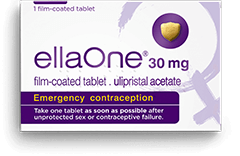

ellaOne® 30mg film-coated tablet contains ulipristal acetate and is indicated for emergency contraception within 120 hours (5 days) of unprotected sexual intercourse or contraceptive failure.
*Based on sales data. Verify at ellaone.co.uk/verify
Always read the instructions on the package leaflet carefully. Health information within this website is provided for educational purposes only and is not intended to replace discussions with healthcare professionals. All decisions regarding patient care must be made with a healthcare professional considering the unique characteristics of the patient.