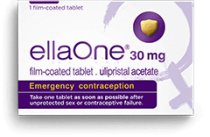
Does ellaOne affect your future fertility? Myths vs. Facts


Emergency contraception and your fertility. What to know
Wondered whether emergency contraception like ellaOne® harms your chances of getting pregnant later? The good news is it won’t. ellaOne® delays ovulation and won’t mess up your cycle or fertility cycle except in the short term. It is normal for your next period to be a few days late, however, we recommend speaking to a healthcare professional if your period is more than seven days late and is unusually light or heavy, or you are experiencing symptoms such as abdominal pain, breast tenderness and vomiting or nausea. Fertility depends on many things like hormones, sperm health, and overall wellness, not occasional use of the morning after pill.
If you’ve ever taken or considered emergency contraception like ellaOne®, it’s natural to have questions about how it might affect your fertility. Many worry it could prevent them from getting pregnant or disrupt their cycle, but these concerns are often based on fertility myths, not facts.
Understanding what fertility really means, and what changes it, can help you feel more confident in your choices, whether you’re planning for a baby or just curious about how your body works.
Myths vs. Facts: ellaOne® and fertility
Myth 1: Taking ellaOne® affects your future fertility
Fact: ellaOne® helps prevent pregnancy by temporarily delaying ovulation. It won’t prevent you from conceiving long-term.
Myth 2: The morning after pill alters your fertility cycle forever
Fact: While you’ll experience a slight shift in the timing of your next period, your cycle will return to its usual rhythm soon after.
Myth 3: Using ellaOne® more than once reduces fertility in the future
Fact: You can take the ellaOne® morning after pill as many times as you need. However, it’s designed for emergency use, and not as a regular contraceptive.
Myth 4: Being fertile means you’re already pregnant
Fact: Fertility refers to your potential to get pregnant, not pregnancy itself. Ovulation is the key marker of fertility, not a sign that conception has already happened.
Myth 5: You can’t test fertility unless you visit a doctor
Fact: You can track your fertile days using ovulation predictor kits1, basal temperature readings, or cervical mucus observation, right from home.
Myth 6: Only women’s fertility matters
Fact: Male fertility is just as important. Sperm health plays a key role in conception, and factors like low sperm count or motility can impact success. A male fertility test, available for home use, can help assess sperm quality and support conception planning.



Understanding fertility: How your body signals readiness
How to spot fertile days
Recognising your body’s natural cues can help time intercourse for conception.
– Cervical mucus becomes clear, slippery, and stretchy near ovulation
– Basal body temperature rises slightly after ovulation
– Ovulation predictor kits detect the LH hormone surge
– Apps and fertility tracking tools help anticipate fertile days
– Subtle symptoms like ovulation cramps or mood changes can signal readiness
Both home and professional options are available when it comes to fertility testing.
Home tools
– Ovulation predictor kits
– Daily basal body temperature tracking
– Cervical mucus charting
Clinical tools
For a more in-depth fertility assessment, healthcare professionals may recommend:
– Hormone panels (AMH, FSH, testosterone)2
– Ultrasound scans of the ovaries or uterus
– Male fertility testing, including semen analysis
What affects fertility beyond timing?
Myth 7: Perfect timing guarantees pregnancy
Fact: While timing helps, factors like PCOS, endometriosis3, thyroid function, or poor sperm quality can reduce conception odds, even if you’ve tracked your fertile days perfectly.
Myth 8: Supplements guarantee pregnancy
Fact: Vitamins like folic acid and B12 support reproductive health, but they can’t override other health conditions. A well-rounded lifestyle including stress management, balanced nutrition, and avoiding smoking or excess alcohol can help for long-term fertility.
What supports both partners’ fertility long-term?
Fertility is a shared journey. Healthy habits today support better chances of conceiving tomorrow.
– Women: Eat nutrient-rich foods, take folic acid, reduce stress, and track cycle regularity
– Men: Improve sperm quality by avoiding smoking, vaping, excessive alcohol, and heat exposure
– Plan intercourse around fertile days. Ensure overall health supports the reproductive process.



Summary
ellaOne® is an emergency contraceptive pill that does not affect your fertility long-term. Knowing the facts and understanding your body can give you peace of mind and confidence. Remember, fertility involves both partners, so supporting each other’s health makes all the difference. If you have questions, your healthcare provider is always there to help.
FAQ
1. What do I do if I’m infertile?
Fertility treatment depends on the cause. Options include medication to regulate ovulation, surgery for issues like endometriosis or blocked fallopian tubes, and assisted conception methods like IUI or IVF. A specialist can guide the best path forward.
2. How to improve egg quality?
Focus on a healthy lifestyle that includes a balanced, antioxidant-rich diet (like the Mediterranean diet), regular moderate exercise, stress management, and quality sleep. Avoid smoking, excess alcohol, and heavily processed foods. You could also try fertility supplements such as folate.
3. Is 38 too old to get pregnant?
No, not at all. While fertility declines after 35 and it may take longer to conceive, many women in their late 30s have healthy pregnancies. Though risks like miscarriage or gestational diabetes are slightly higher, early prenatal care and healthy lifestyle choices support a safe, successful pregnancy.
4. Can you get IVF for free?
Yes, the NHS funds IVF in the UK, but local Integrated Care Boards (ICBs) set the eligibility rules. Women under 40 may receive up to three cycles, while those aged 40–42 get one if they meet specific criteria. ICBs consider factors like BMI, smoking status, time spent trying to conceive, and whether you already have children. Although NICE provides national guidance, ICBs make the final call. If you’re not eligible, you can explore private IVF. Ask your GP or contact your ICB for details.
5. How does weight affect fertility?
Weight plays a key role in fertility for both women and men. Being underweight or overweight can disrupt hormones, ovulation, and sperm quality. In women, excess weight can lead to irregular cycles, PCOS, insulin resistance, higher miscarriage risk, and lower IVF success. In men, obesity reduces sperm count and function. While effects vary, a healthcare professional can address weight-related fertility issues.
6. What is the best age for fertility?
Fertility typically peaks in the early to mid-20s and gradually declines after 30, with a more noticeable drop after 35. By age 45, natural conception is rare due to significantly reduced fertility.
References
- Calculating Your Monthly Fertility Window | Johns Hopkins Medicine
- Fertility testing and investigations | Imperial College Healthcare Private Care
- Why Women With PCOS & Endometriosis Are Freezing Their Eggs
Fertility Tracking Apps: The Future of Contraception?
Get to Know Your Menstrual Cycle: Key Facts and Tips
ellaOne® 30mg film-coated tablet contains ulipristal acetate and is indicated for emergency contraception within 120 hours (5 days) of unprotected sexual intercourse or contraceptive failure. Always read the label.
*Verify at ellaone.co.uk/verify
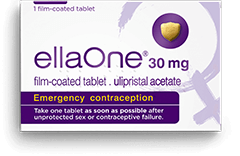

ellaOne® 30mg film-coated tablet contains ulipristal acetate and is indicated for emergency contraception within 120 hours (5 days) of unprotected sexual intercourse or contraceptive failure.
*Based on sales data. Verify at ellaone.co.uk/verify
Always read the instructions on the package leaflet carefully. Health information within this website is provided for educational purposes only and is not intended to replace discussions with healthcare professionals. All decisions regarding patient care must be made with a healthcare professional considering the unique characteristics of the patient.